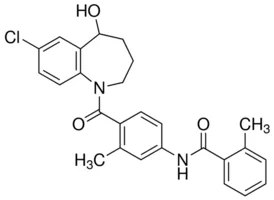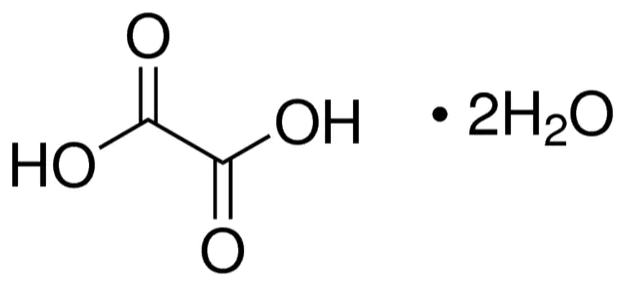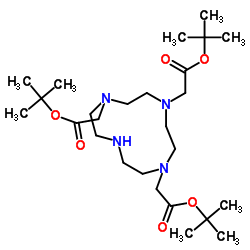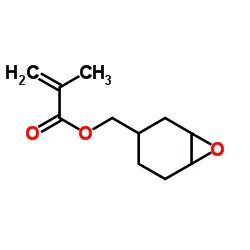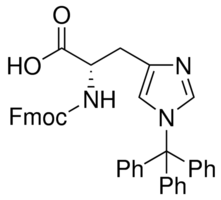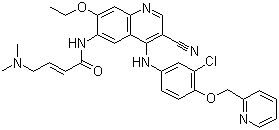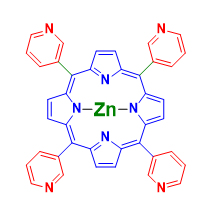

The advancement and refinement of photolithography materials are critical to pushing the limits of semiconductor manufacturing, enabling the production of devices with smaller, more complex, and more efficient microstructures. As we delve deeper into the era of nanotechnology, the role of photolithography materials becomes even more pivotal. Here’s a closer look at the forefront of photolithography materials :
- Advanced Photoresists : The quest for smaller feature sizes has led to the development of advanced photoresists capable of finer resolution. These include chemically amplified resists (CARs), which are more sensitive to light and allow for the creation of smaller features by enhancing the photochemical reaction.
- Extreme Ultraviolet (EUV) Photoresists : EUV lithography represents a significant leap forward, enabling the production of features smaller than 10 nanometers. EUV photoresists are designed to be sensitive to the shorter wavelength of EUV light, requiring innovations in resist materials that can effectively absorb EUV light and transfer patterns accurately.
- Multi-Layer Systems : To improve the process of image transfer and minimize issues like standing waves or substrate reflectivity, multi-layer resist systems are employed. These systems often include a bottom anti-reflective coating (BARC), a photoresist layer, and sometimes a topcoat layer to manage surface properties and resist interactions.
- Environmentally Friendly Materials : The environmental impact of photolithography materials, particularly in terms of waste and toxicity, is a growing concern. Research is ongoing into greener alternatives for solvents, developers, and removers that maintain high performance while reducing environmental impact.
- Directed Self-Assembly (DSA) Materials : DSA represents a novel approach where block copolymers in the photoresist self-organize into regular patterns without traditional photolithography. This method has the potential to reduce costs and complexity in creating nano-scale features.
- Resist Processing Additives : Additives are being explored to enhance the performance of existing photoresists, such as improving sensitivity, reducing line edge roughness (LER), and increasing etch resistance. These modifications can significantly impact the quality and fidelity of the pattern transfer.
The development of photolithography materials is a dynamic field, with research focused on overcoming current limitations and unlocking new capabilities in semiconductor manufacturing. As technology advances, the materials used in photolithography will continue to evolve, enabling the creation of more complex and powerful electronic devices.
As the world seeks more sustainable and cost-effective energy storage solutions, sodium-ion batteries stand out as a promising alternative to lithium-ion batteries. With their advantages in cost, availability, and environmental impact, they could play a crucial role in the future of energy storage. While challenges remain, the ongoing research and development in this area suggest a bright future for sodium-ion technology, potentially transforming how we power our devices and vehicles.

FCAD has been at the forefront of developing advanced photolithography chemical materials with several key contributions :
- High-Resolution Photoresists : FCAD has developed photoresist materials that offer improved resolution, enabling the creation of smaller, more efficient, and powerful semiconductor devices. These materials are designed to work at the cutting-edge of ultraviolet (EUV and DUV) lithography technologies, which are crucial for next-generation semiconductor fabrication.
- Advanced Thin Films : The company has also made advancements in thin film materials used in the photolithography process, including anti-reflective coatings and hard masks. These materials are crucial for improving the accuracy of pattern transfer and minimizing defects, which is essential for manufacturing high-performance semiconductors.
- Purity and Quality Control : FCAD emphasizes the importance of purity in the chemicals used in photolithography. The company employs advanced purification techniques and strict quality control measures to ensure that its chemicals meet the stringent requirements of the semiconductor industry, thereby reducing defects and improving yield in semiconductor fabrication.
- Sustainability Efforts : Recognizing the environmental impact of semiconductor manufacturing, FCAD is also focused on developing more sustainable chemical materials and processes. This includes efforts to reduce waste and improve the recyclability of materials used in the photolithography process.
Collaboration and Innovation : FCAD collaborates closely with semiconductor manufacturers and equipment suppliers to tailor its chemical solutions to the evolving needs of the industry. This collaborative approach ensures that FCAD’s materials are compatible with the latest photolithography technologies and fabrication methods, driving innovation in semiconductor manufacturing.
In summary, FCAD’s development of advanced photolithography chemical materials represents a critical contribution to the semiconductor industry, enabling the production of smaller, more efficient, and powerful electronic devices. Through continuous innovation, stringent quality control, and collaboration with industry partners, FCAD is helping to push the boundaries of what’s possible in semiconductor fabrication, addressing the growing demand for advanced electronic devices.