Beyond established expertise in inorganic rare earths and perovskite raw materials, ChemWhat has successfully redefined its presence in the field of organic optoelectronics. The company has developed a comprehensive product line that encompasses small molecules, polymers, and fullerene derivatives, currently serving over one hundred research institutions and enterprises around the globe.
Core Materials Portfolio
ChemWhat’s extensive portfolio includes critical intermediates and monomers designed for high-performance electronic donor and acceptor materials. This features key series such as Thiophene, BTP, BDT, BDD, IDT, IDTT, BT, DPP, and IC, which serve as the essential building blocks for advanced polymer and non-fullerene devices.
Our specialized offerings extend to Covalent Organic Framework (COF) and Metal-Organic Framework (MOF) ligands, addressing the growing demand for next-generation optoelectronic materials. These innovative compounds represent a strategic expansion of our capabilities, supporting research in emerging photovoltaic architectures and hybrid material systems.
Industry-Leading Fullerene Technologies
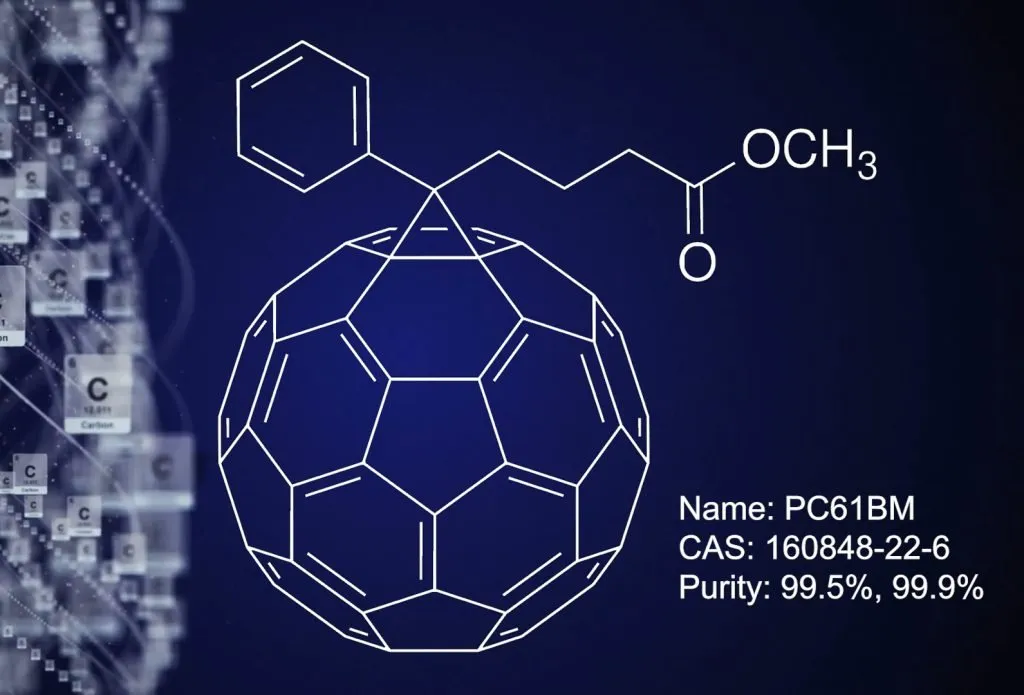
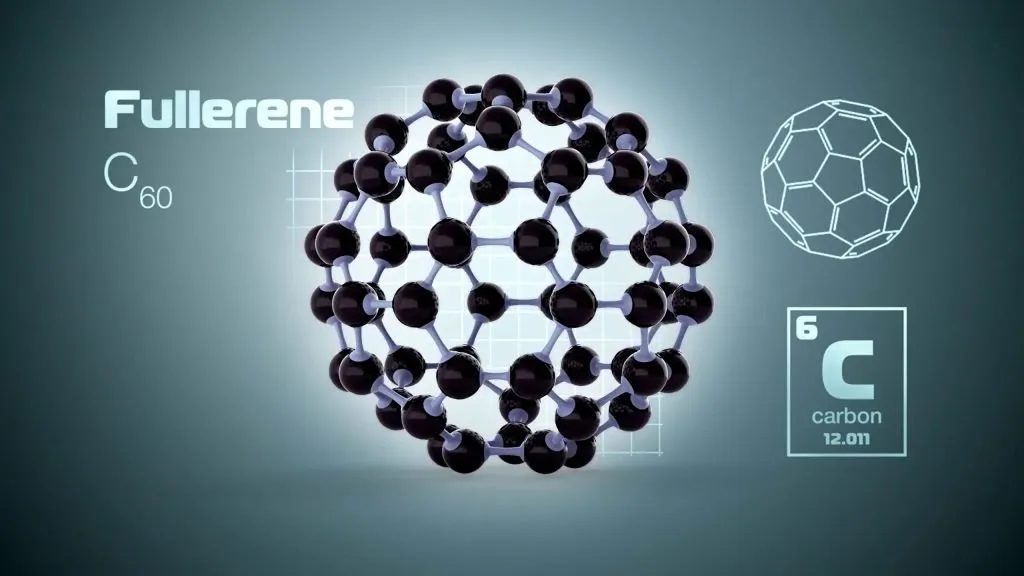
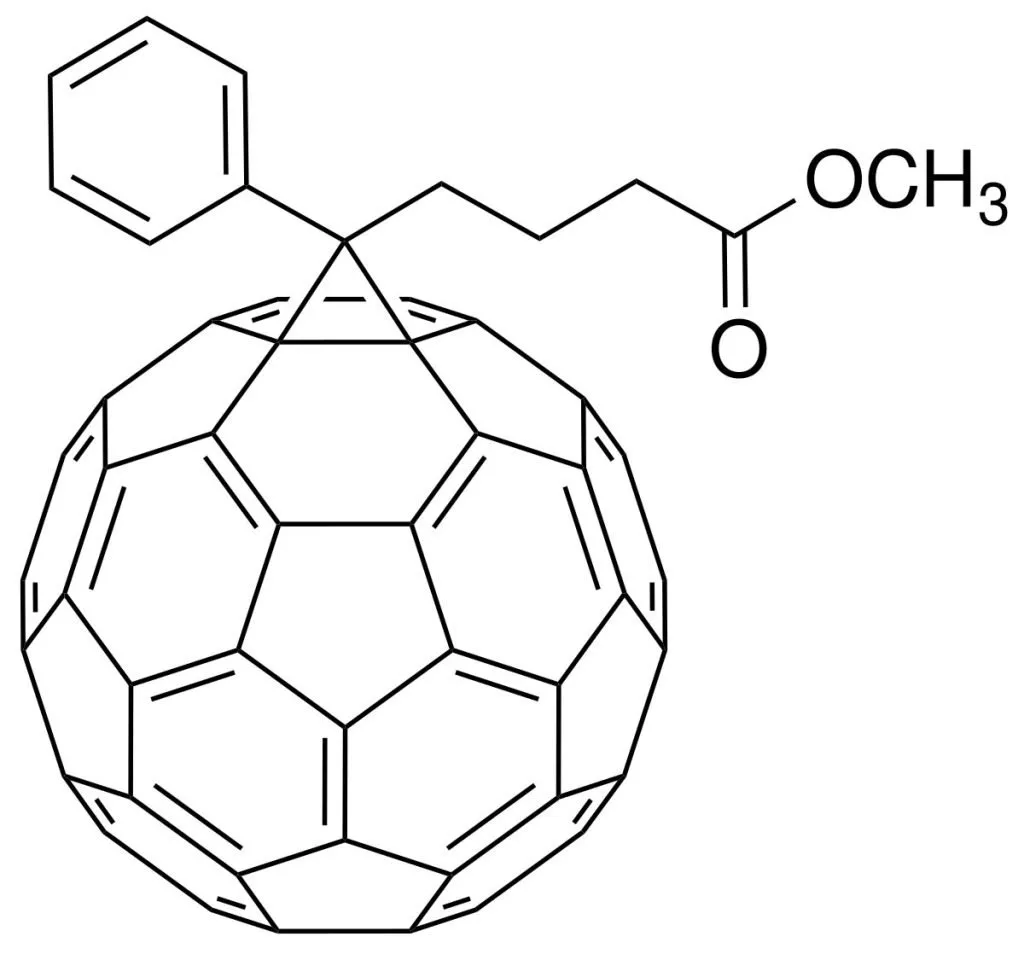
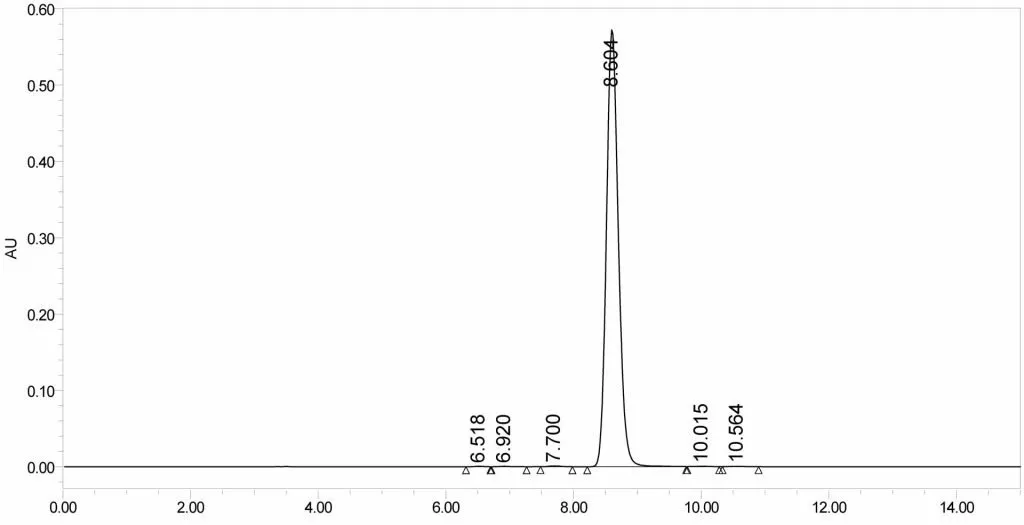
A standout component of this lineup is the Fullerene C60 derivative, PC61BM. Widely recognized as a benchmark material, PC61BM plays a pivotal role not only in Organic Solar Cells (OSCs) but also in Perovskite Solar Cells (PSCs), where it functions as a highly efficient Electron Transport Layer (ETL) and grain boundary passivator. To address the varied requirements of universities, R&D centers, and commercial manufacturers, ChemWhat has standardized PC61BM into two distinct purity levels : 99.5% for general research and 99.9% for high-precision device fabrication.
Commercial Success & Strategic Partnerships
ChemWhat’s materials have achieved commercial validation, with our products already integrated into commercial devices currently available in the market. This real-world deployment demonstrates the reliability and performance of our organic photovoltaic materials under demanding operational conditions.

We are actively engaged in confidential development projects under non-disclosure agreements (NDA) with leading OPV companies, working on next-generation materials that push the boundaries of organic solar cell efficiency and stability.
Advanced Non-Fullerene Acceptor Portfolio
Recognizing the industry’s transition toward non-fullerene acceptor (NFA) technologies, ChemWhat has developed a comprehensive range of state-of-the-art NFA molecules. Our portfolio includes :
• FCC-Cl – High-performance chlorinated acceptor for enhanced device efficiency
• Y6 – Benchmark narrow-bandgap acceptor achieving record power conversion efficiencies
• O-IDTBR – Rhodanine-based acceptor optimized for solution processing
• L8-Th-Cl – Thiophene-substituted acceptor with enhanced crystallinity
• COTIC-4Cl – Chlorinated COTIC series for improved charge transport
• COTIC-4F – Fluorinated COTIC variant delivering superior photovoltaic performance
These NFA materials represent the forefront of organic photovoltaic technology, offering superior light harvesting, charge transport, and device stability compared to traditional fullerene-based systems.
Technical Excellence & Customer Support
Crucially, ChemWhat distinguishes itself through its service model. Recognizing the complexities inherent in organic photovoltaic research, ChemWhat’s technical engineers provide dedicated support to R&D clients. Whether assisting with material selection or troubleshooting application issues in specific device architectures, these experts help bridge the gap between raw chemical synthesis and optimal device performance, ensuring researchers maximize the potential of these advanced materials.
Our technical team’s deep understanding of both COF/MOF chemistry and OPV device physics enables us to provide comprehensive guidance on material selection, processing optimization, and performance enhancement strategies tailored to each client’s specific research objectives.
Future Vision & Market Leadership
Looking forward, ChemWhat is committed to leveraging the natural advantages of organic solar energy — specifically its semi-transparency, flexibility, superior low-light performance, and high power-to-weight ratio. By supplying these cutting-edge materials, the company is actively empowering downstream partners to develop innovative solutions for Building Integrated Photovoltaics (BIPV), the Internet of Things (IoT), and the demanding frontiers of space exploration.
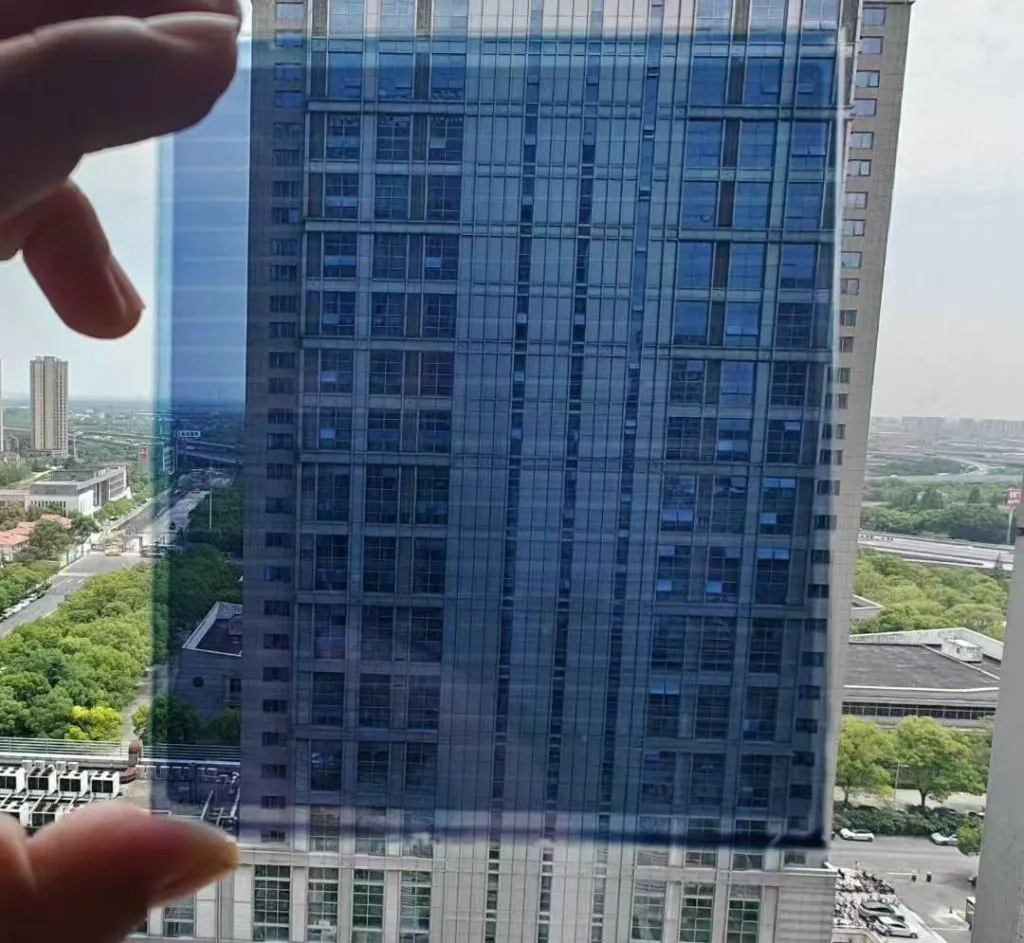
Our strategic focus on commercial viability, evidenced by our materials’ presence in market-ready devices and ongoing NDA partnerships, positions ChemWhat as a trusted partner for companies seeking to transition from laboratory research to commercial production. We continue to invest in expanding our NFA portfolio and developing next-generation materials that will define the future of organic optoelectronics.
Through this comprehensive approach combining proven fullerene technologies, innovative COF/MOF materials, cutting-edge NFA molecules, and unparalleled technical support, ChemWhat stands at the forefront of the organic optoelectronic revolution, enabling the next generation of sustainable energy solutions.
Product Information
- English Name : PC61BM
- ChemWhat Code : 57496
- CAS Number : 160848-22-6
- Molecular Formula : C72H14O2
- Molecular Weight : 910.902
- Purity : 99.5%, 99.9%
- Structure :
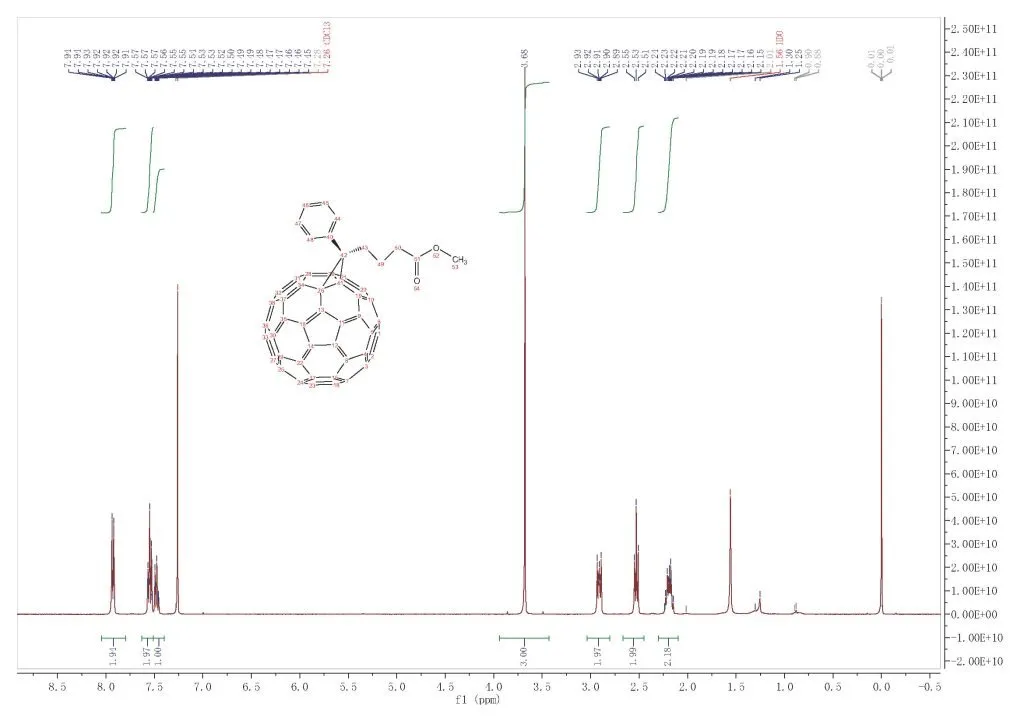
- NMR Spectra
- HPLC
- Sales Link :