Identification
CAS Number
491-70-3
Name
Luteolin
Synonyms
2-(3,4-Dihydroxyphenyl)-5,7-dihydroxy-4H-chromen-4-on
[German]
[IUPAC name – generated by ACD/Name]
2-(3,4-Dihydroxyphenyl)-5,7-dihydroxy-4H-chromen-4-one
[IUPAC name – generated by ACD/Name]
2-(3,4-Dihydroxyphényl)-5,7-dihydroxy-4H-chromén-4-one
[French]
[IUPAC name – generated by ACD/Name]
207-741-0
[EINECS]
3′ 4′ 5 7-tetrahydroxyflavone
3′,4′,5,7-Tetrahydroxyflavone
491-70-3
[RN]
4H-1-Benzopyran-4-one, 2-(3,4-dihydroxyphenyl)-5,7-dihydroxy-
[IUPAC index name – generated by ACD/Name]
Daphneflavonol
Digitoflavone
Flavopurpol
KUX1ZNC9J2
[UNII]
Luteolin
[Wiki]
MFCD00017309
[MDL number]
SMILES
O=c1cc(-c2ccc(O)c(O)c2)oc2cc(O)cc(O)c12
StdInChI
InChI=1S/C15H10O6/c16-8-4-11(19)15-12(20)6-13(21-14(15)5-8)7-1-2-9(17)10(18)3-7/h1-6,16-19H
StdInChIKey
IQPNAANSBPBGFQ-UHFFFAOYSA-N
Molecular Formula
C15H10O6
Molecular Weight
286.239
EINECS
207-741-0
Beilstein Registry Number
292084
MDL Number
MFCD00017309
Properties
Appearance
Light yellow Powder
Safety Data
Personal Protective Equipment
dust mask type N95 (US), Eyeshields, Gloves
RIDADR
NONH for all modes of transport
WGK Germany
3
Specifications and Other Information of Our Luteolin CAS 491-70-3
Identification Methods
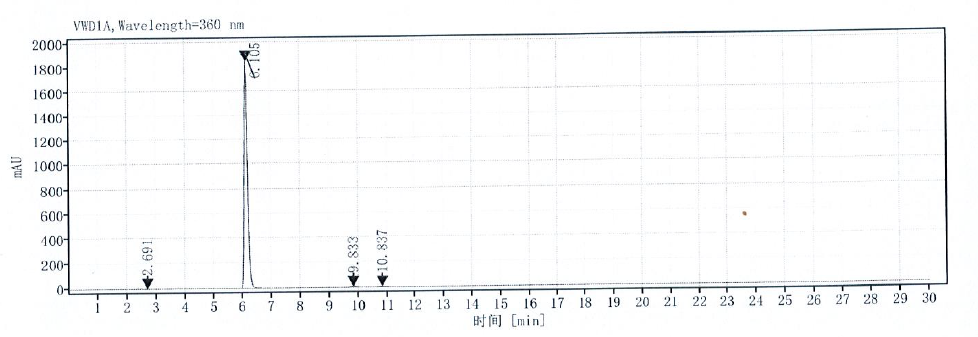
HNMR, HPLC
Effective constituent
Luteolin≥98%
Moisture
≤5.0%
Ash
≤5.0%
Heavy Metal
≤10ppm
Aerobic Plate Count
≤1000cfu/g
Yeast & Mold
≤100cfu/g
Escherichia coli
Negative
Salmonella/25g
Negative
Shelf Life
2 years
Storage
Under room temperature away from light
Known Application
Luteolin is a natural flavonoid antioxidant with multiple biological activities. It is widely used in pharmacological research, functional foods, health supplements, cosmetics, and analytical testing. 1. Luteolin is a very important natural flavonoid compound in biomedical research, exhibiting diverse physiological activities : antioxidant, anti-inflammatory, anti-tumor, neuroprotective, antibacterial, antiviral, and cardiovascular protection. 2. Health Products and Nutritional Supplements Luteolin is commonly used as a health ingredient in plant extracts, particularly in antioxidant nutritional supplements (such as anti-aging and skin anti-inflammatory products); anti-allergic formulations (combined with quercetin, rutin, etc.); and products for brain health and memory improvement (due to its neuroprotective properties). Common sources include chamomile extract, celery extract, and rosemary extract. 3. Cosmetics It is used as an anti-inflammatory, soothing, and antioxidant ingredient. It can inhibit the production of inflammatory factors and melanin in the skin, reducing redness, swelling, and allergic reactions. It is commonly found in products such as “natural plant skincare,” “sensitive skin calming essence,” and “antioxidant anti-aging cream.” 4. Food and Feed Additives As a natural antioxidant or functional additive, it delays food oxidative deterioration and helps enhance immunity and stress resistance in animal feed.
General View of Documents
Links
This product is developed by our R&D company Ulcho Biochemical Ltd (http://www.ulcho.com/).
Quick Inquiry
Fill out our inquiry form and one of our experts will be in touch with you shortly.