
As the global clean energy transition accelerates, silver prices as a critical industrial raw material are experiencing unprecedented increases. This trend is not only reshaping the cost structure of global manufacturing but also driving the rapid development of silver substitution technologies. In this wave of transformation, ChemWhat, as a global leader in nanometal technology, is providing breakthrough solutions across various industries through its innovative metal coating technology.
I. Deep-Driving Factors Behind Rising Silver Prices
1.1 Clean Energy Revolution Driving Demand Surge
The world is at a critical juncture of energy transformation, with solar photovoltaic systems as the mainstay of renewable energy showing explosive demand growth for silver. Each solar panel requires silver for electron capture and current conduction. As global carbon neutrality goals advance and solar installation capacity continues to climb, demand for silver has surged dramatically.
The rapid development of the electric vehicle industry is equally important in driving silver demand growth. Modern electric vehicles require 2-3 times more silver than traditional combustion vehicles, primarily for battery management systems, power electronic modules, and electrical interconnection systems. As global automotive electrification accelerates, electric vehicle demand for silver is expected to increase several-fold by 2030.

The flourishing development of artificial intelligence and data centers has also injected new momentum into silver demand. AI computing’s dependence on high-performance chips and advanced electronic devices makes silver increasingly important in semiconductor manufacturing. From cloud computing to edge computing, from 5G networks to IoT devices, virtually all cutting-edge technology applications rely on silver’s exceptional electrical conductivity.
1.2 Supply Constraints Intensify Market Tension
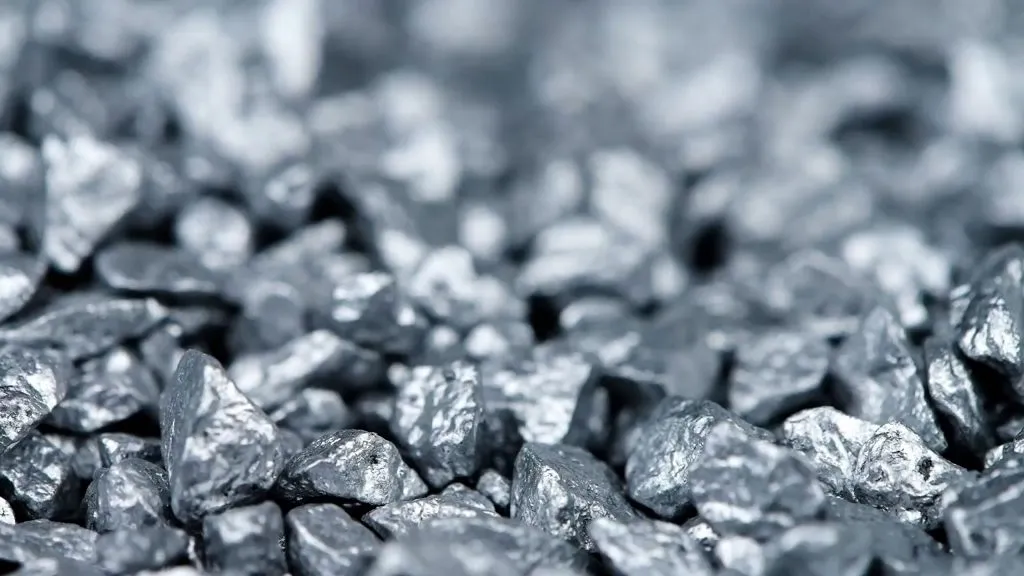
In stark contrast to surging demand is the relatively stable or even declining silver supply. Global major silver mine capacity growth is limited, and new mine development requires long cycles and massive investment, making it difficult to meet rapidly growing market demand in the short term. Additionally, silver mining faces multiple challenges including stricter environmental regulations and rising extraction costs.
Geopolitical factors also create uncertainty for silver supply chains. Political stability in major silver-producing regions, trade policy changes, and international sanctions could all significantly impact global silver supply. This supply-demand imbalance makes sustained high silver prices a long-term trend.
II. Profound Impact of Rising Silver Prices on Global Manufacturing
2.1 Multiplied Cost Pressures
Sharp increases in silver prices directly drive up costs for manufacturing industries dependent on silver materials. For solar panel manufacturers, silver paste costs can account for 10-15% of total cell costs. Each 10% increase in silver prices results in 1-2% higher cell costs. This cost pressure cascades through the entire solar industry chain, ultimately affecting solar project investment returns.
The electronics manufacturing industry faces equally severe challenges. From smartphones to automotive electronics, virtually all electronic products use silver-based conductive materials. Rising silver prices force manufacturers to reassess product design and cost structures, seeking solutions that maintain product performance while reducing raw material costs.
The automotive manufacturing industry, particularly the new energy vehicle sector, faces unprecedented cost pressures. Electric vehicles use significantly more silver than traditional vehicles, involving multiple critical components including battery systems, charging equipment, and motor control. Rising silver prices directly impact electric vehicle manufacturing costs and market competitiveness.
2.2 Intensified Supply Chain Risks
Over-dependence on silver materials also brings supply chain risks. The unpredictability of silver price volatility makes it difficult for manufacturing enterprises to conduct accurate cost forecasting and risk control. Single precious metal dependence increases enterprise risks of raw material supply disruption, which is particularly evident against the current backdrop of geopolitical complexity.
Moreover, silver futures price volatility presents greater challenges for enterprise raw material procurement and inventory management. Traditional supply chain management models struggle to adapt to this high-volatility environment, urgently requiring more flexible and diversified raw material solutions.
III. ChemWhat Nanometal Coating Technology : Revolutionary Solutions
3.1 Core Technology Principles
ChemWhat’s nanometal coating technology is based on precisely controlled silver layer deposition processes that form extremely thin yet high-performance silver coatings on other conductive metal substrates. The core of this technology lies in nanoscale precision control, achieving efficient silver material utilization while maintaining silver’s excellent electrical conductivity properties and dramatically reducing actual silver consumption.
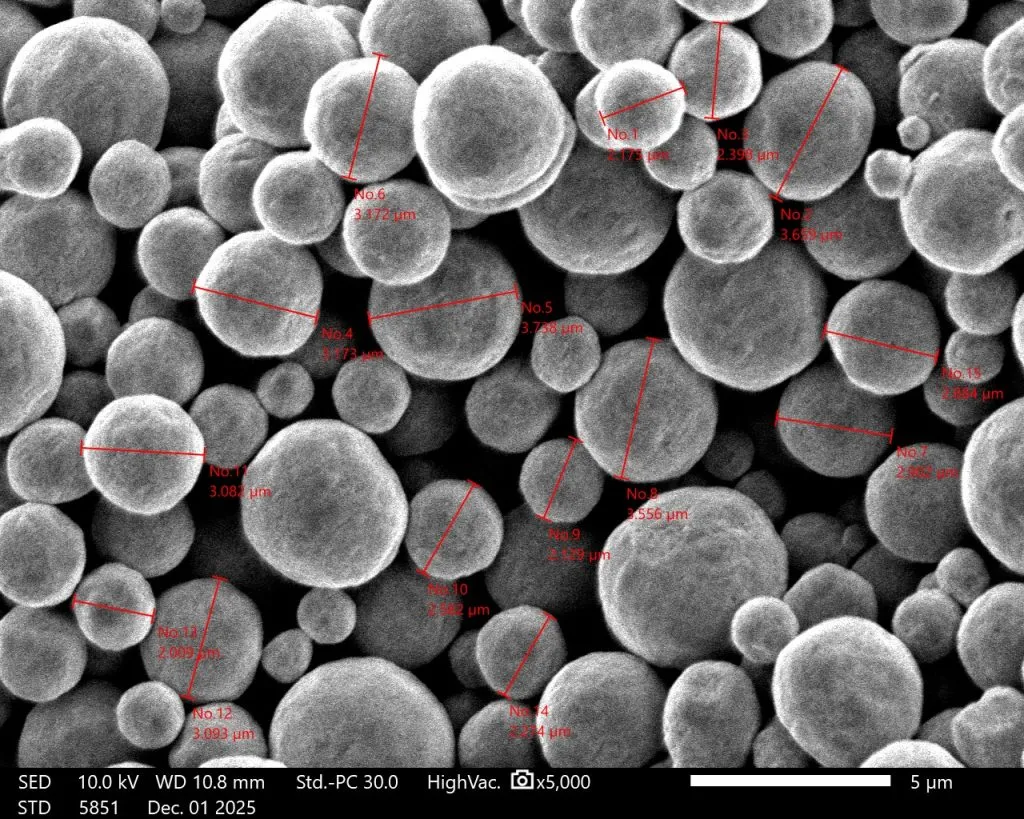
This technology employs advanced Physical Vapor Deposition (PVD) and Chemical Vapor Deposition (CVD) processes, capable of forming uniform, dense silver coatings on different substrates including copper, aluminum, and nickel. Coating thickness can be precisely controlled within nanometer to micrometer ranges, ensuring optimal silver material usage while meeting electrical conductivity requirements.
More importantly, ChemWhat’s technology has achieved commercial maturity for low-temperature applications and is currently making breakthrough progress in high-temperature environment applications. Through optimized coating structure and composition, this technology achieves thermal stability on metal substrates with varying melting points, delivering oxidation resistance performance comparable to pure silver systems.
3.2 Technical Advantage Analysis
ChemWhat’s nanocoating technology possesses multiple technical advantages. First is exceptional performance characteristics, where coating technology not only maintains but even enhances electrical conductivity while providing superior corrosion and oxidation resistance. Through nanostructure design, coating materials demonstrate better stability and reliability during long-term use.
Second is significant manufacturing efficiency improvements. Advanced coating processes streamline production workflows and reduce process complexity. Compared to traditional pure silver material processing, coating technology offers better process controllability and repeatability, helping improve product quality consistency.
Enhanced supply chain resilience is another important advantage. By reducing dependence on single precious metal sources, coating technology enables manufacturing enterprises to better manage raw material risks. Diversified metal substrate choices provide enterprises with greater supply chain flexibility and cost control space.
In environmental sustainability, this technology helps manufacturing sectors reduce environmental impact while improving resource efficiency through optimized material utilization and cleaner production methodologies. This aligns highly with current global manufacturing industry trends toward sustainable development transformation.
IV. Cross-Industry Applications : Multi-Dimensional Manifestation of Technical Value
4.1 Photovoltaic Industry : Driving Clean Energy Cost Reduction
In the solar photovoltaic sector, ChemWhat’s coating technology is redefining industry cost structures. Each solar panel’s manufacture requires silver for electron collection and current conduction, with traditional processes having silver paste costs accounting for a significant proportion. By adopting ChemWhat’s nanocoating technology, photovoltaic manufacturers can achieve significant raw material cost reductions while maintaining or even improving power conversion efficiency.
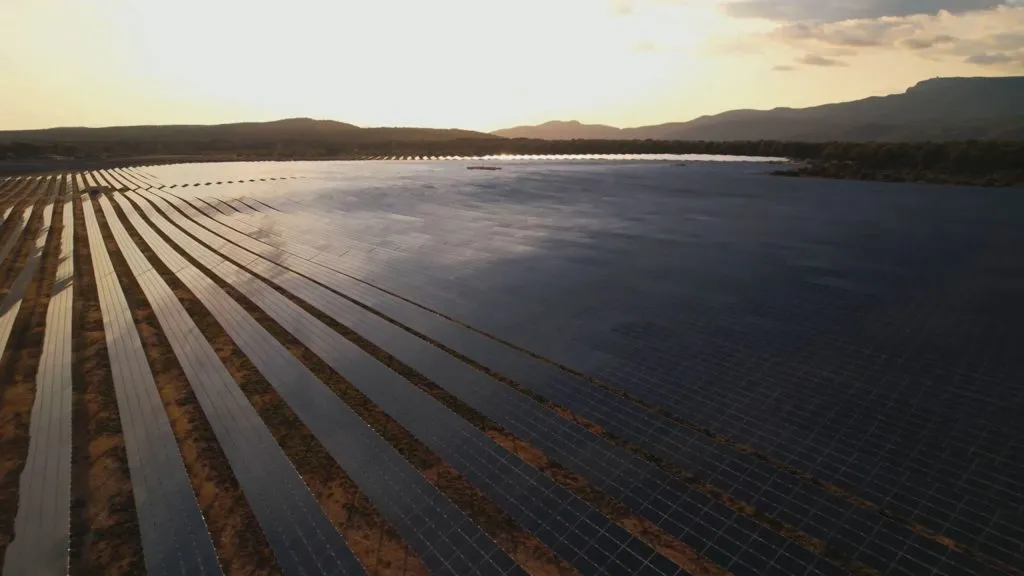
Specifically, this technology can reduce solar cell silver consumption by 30-50% while maintaining unchanged or slightly improved cell conversion efficiency. Against the current backdrop of high silver prices, this cost optimization effect is particularly significant. For example, a 1GW annual capacity cell production line adopting ChemWhat technology can save millions of dollars in raw material costs annually.
As global renewable energy deployment accelerates, this technology is promoting further reductions in solar power generation costs, enabling clean energy to achieve cost parity with traditional energy in more regions and accelerating global energy transition processes.
4.2 Automotive Electrification : Supporting Industrial Scale Development
In automotive electrification, modern electric vehicles use 2-3 times more silver than traditional fuel vehicles, primarily in battery management systems, power electronic modules, and electrical interconnection systems. ChemWhat’s nanocoating platform provides automotive manufacturers with economically viable alternatives, supporting rapid expansion of electric vehicle production.
In battery management systems, precision electronic control units require highly reliable conductive connections. ChemWhat’s coating technology not only reduces material costs but also enhances long-term connection stability. In power electronic modules, coating technology ensures reliable electrical conductivity performance in high-temperature, high-voltage environments.
For automotive manufacturers, raw material cost optimization directly impacts electric vehicle market competitiveness. ChemWhat technology helps manufacturers achieve significant cost structure improvements without sacrificing product performance and reliability, thereby promoting electric vehicle market adoption.
4.3 Electronic Device Manufacturing : Enhancing Industrial Competitiveness
From smartphones to high-performance computing systems, virtually all electronic products integrate silver-based components. In consumer electronics, trends toward product miniaturization and performance enhancement place higher demands on conductive materials. ChemWhat’s technology enables electronics manufacturers to optimize production costs while maintaining stringent performance specifications, thereby enhancing market competitive positioning.
In high-frequency electronic devices, silver’s electrical conductivity is crucial for signal transmission quality. ChemWhat’s nanocoating technology achieves excellent performance in RF and microwave frequency bands through precise control of coating thickness and structure. This is significant for high-end electronic products including 5G communication equipment and radar systems.

In Printed Circuit Board (PCB) manufacturing, coating technology provides more cost-effective surface treatment solutions. Compared to traditional electroplating processes, nanocoating technology achieves more uniform surface coverage, improving product reliability and service life.
4.4 Touchscreen Technology : Revolutionizing User Experience
The touchscreen technology field demonstrates a typical application case for ChemWhat’s technological capabilities. Through precision coating processes, touchscreen manufacturers achieve superior tactile sensitivity while substantially optimizing raw material costs and enhancing product durability and reliability.
In capacitive touchscreens, conductive layer uniformity directly affects touch precision and response speed. ChemWhat’s coating technology achieves more uniform conductive layer distribution through nanoscale precision control, improving touch sensitivity and accuracy. Additionally, coating corrosion resistance extends touchscreen service life.
In large-format touchscreen applications such as industrial control panels and digital signage, material cost optimization effects are more significant. ChemWhat technology helps manufacturers achieve more competitive pricing while maintaining product performance.
V. Industrial Ecosystem Development and Technology Development Prospects
5.1 Nanowire and Conductive Paste Product Portfolio
ChemWhat provides a comprehensive nanowire and conductive paste product portfolio in industrial manufacturing applications, offering manufacturers integrated material solutions. These products cover the full spectrum of needs from basic conductive materials to high-end specialized applications.
Silver nanowire products excel in transparent conductive film applications, particularly suitable for flexible display, touchscreen, and solar cell manufacturing. Compared to traditional Indium Tin Oxide (ITO) materials, silver nanowires offer better flexibility and electrical conductivity at more competitive costs.
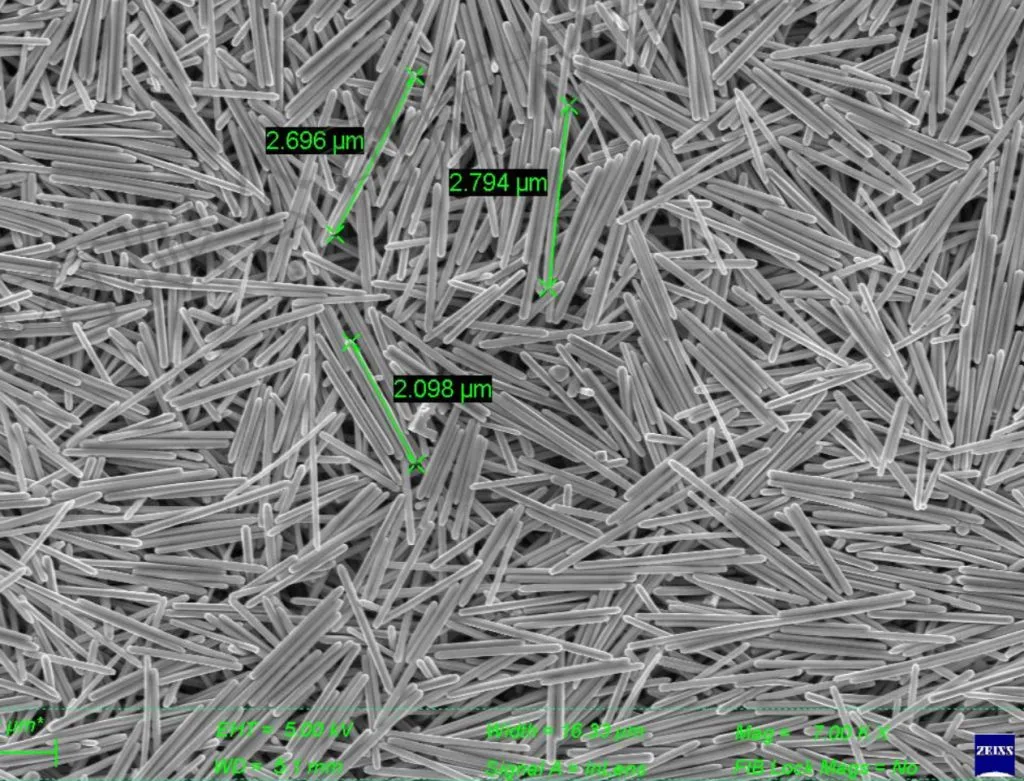
The conductive paste product series specifically targets printed electronics and thick-film circuit applications. Through precise control of silver particle size distribution and surface characteristics, these paste products achieve excellent printing performance and electrical conductivity properties, meeting different precision requirements for circuit manufacturing needs.
5.2 Strategic Significance of Technological Innovation
The strategic advantages of metal coating technology extend far beyond cost optimization, representing manufacturing industry transformation toward sustainable, high-efficiency development models. This technology platform provides comprehensive manifestation of multiple value propositions.
At the technical performance level, coating technology maintains or enhances electrical conductivity while providing excellent corrosion and oxidation resistance. This performance combination is difficult to achieve with traditional material solutions, opening new possibilities for product design.
Manufacturing efficiency improvements manifest in workflow simplification and production complexity reduction. Advanced coating processes offer better controllability and repeatability, helping improve large-scale production quality consistency and production efficiency.
Enhanced supply chain resilience is achieved through reduced dependence on single precious metal sources. This diversified material strategy enables enterprises to better respond to raw material price volatility and supply disruption risks, improving operational stability.
5.3 Sustainable Development and Environmental Responsibility
ChemWhat’s technology platform aligns highly with global sustainable development goals. Through optimized material utilization and cleaner production methods, this technology enables manufacturing industries to reduce environmental impact while improving resource efficiency.
Material efficiency improvements directly reduce dependence on precious metal mining, thereby lowering related environmental footprints. Silver mining often involves significant environmental impacts including land destruction, water resource consumption, and chemical pollution. By reducing silver usage, coating technology indirectly promotes more sustainable resource utilization patterns.

Production process cleanliness manifests in reduced harmful chemical usage and lower energy consumption. Nanocoating technology’s physical and chemical deposition processes produce less waste and have smaller environmental impacts compared to traditional electroplating processes.
VI. Technology Evolution and Industry Prospects
6.1 High-Temperature Application Technology Breakthroughs
ChemWhat is achieving important breakthroughs in high-temperature environment applications, which will greatly expand coating technology application ranges. Through developing new coating formulations and optimizing process parameters, the company is addressing thermal stability challenges for metal substrates with different melting points.
Successful high-temperature application technology will open new application possibilities for aerospace, automotive engines, industrial furnaces, and other fields. These sectors have strict requirements for material high-temperature performance, where traditional coating technologies often struggle to meet demands. ChemWhat’s technology breakthroughs will provide more cost-effective solutions for these high-end applications.

In new energy vehicle power electronic devices, high-temperature stability is particularly important. Equipment including inverters and chargers generate substantial heat during operation, requiring conductive materials to maintain stable performance in high-temperature environments. ChemWhat’s high-temperature coating technology will provide more reliable material assurance for these applications.
6.2 Intelligent Manufacturing and Precision Control
With Industry 4.0 and intelligent manufacturing development, coating technology is evolving toward more precise and intelligent directions. Through integrating advanced sensor technology and artificial intelligence algorithms, ChemWhat is developing intelligent production systems capable of real-time coating quality monitoring and adjustment.
Precision control technology development will enable coating thickness control accuracy to reach atomic levels, further optimizing material utilization efficiency. Additionally, intelligent quality monitoring systems can real-time detect coating uniformity and adhesion, ensuring product quality consistency.
Digital technology applications will also achieve full production process traceability. From raw material procurement to final product delivery, data from every link will be recorded and analyzed. This not only improves product quality management levels but also provides data support for continuous process optimization.
6.3 Emerging Application Field Expansion
As technology continues maturing, ChemWhat’s coating technology is expanding into more emerging fields. In wearable devices, demand for flexible conductive materials is rapidly growing. Nanocoating technology can achieve excellent electrical conductivity performance on flexible substrates, providing critical material support for smart textiles, flexible sensors, and other products.
In biomedical applications, silver’s antimicrobial properties make it valuable in medical device coatings. ChemWhat’s technology can form antimicrobial silver coatings on medical device surfaces while controlling silver ion release rates to achieve long-lasting antimicrobial effects.
In emerging quantum computing and advanced semiconductor fields, demand for ultra-high purity conductive materials is increasing daily. Nanocoating technology’s precision control capabilities give it unique advantages in these frontier applications, meeting extremely strict purity and performance requirements.
VII. Market Prospects and Industrial Transformation Impact
7.1 Market Demand Growth Projections
As global manufacturing industry demand for high-performance, cost-effective material solutions continues expanding, nanometal coating technology is becoming an important driver of industrial advancement. Industry analysis predicts the silver substitution technology market will maintain high-speed growth over the next five years, with expected compound annual growth rates exceeding 25%.
The explosive growth of the electric vehicle market is one of the main factors driving demand. By 2030, global electric vehicle sales are expected to reach 30 million units, with demand for advanced conductive materials growing more than five-fold. ChemWhat’s technology will play a key role in this enormous market.
The continued expansion of the solar industry provides equally enormous market opportunities. As global carbon neutrality goals advance, solar installation capacity is expected to triple over the next decade, with demand for cost-optimized conductive materials rising dramatically.
7.2 Competitive Advantages and Market Position
ChemWhat leverages its specialized advantages in nanomaterial science to help enterprises across various industries achieve dual technological and economic competitive advantages in increasingly dynamic market environments. The company’s technology platform not only addresses current cost pressures from high silver prices but also establishes a solid foundation for future technological development.
In technological leadership, ChemWhat’s coating technology achieves industry-advanced levels in precision control, process stability, and product quality. The company’s continuous R&D investment ensures constant technology upgrades and performance improvements, maintaining leading positions in intense market competition.
Industrialization capability is another important advantage for ChemWhat. The company not only possesses advanced technology but also has large-scale industrial production capabilities. Comprehensive quality management systems and global service networks ensure rapid transformation of technological achievements into market value.
7.3 Industrial Ecosystem Collaborative Development
ChemWhat’s technology platform is promoting collaborative development of the entire industrial ecosystem. Through deep cooperation with upstream raw material suppliers, the company ensures substrate quality and supply stability. Close cooperation with downstream application manufacturers drives rapid technology industrialization and market promotion.
Industry-university-research cooperation is also an important component of ChemWhat’s strategic layout. The company has established cooperative relationships with multiple renowned universities and research institutes, conducting deep cooperation in basic research, talent cultivation, and technology transfer. This open innovation model accelerates technological progress and industrial development.
Standardization work advancement is significant for industrial development. ChemWhat actively participates in relevant industry standard formulation, promoting establishment and improvement of nanocoating technology standards. Standardization will promote technology standardized application, reduce industrialization risks, and accelerate market acceptance improvements.
Conclusion : New Engine Leading Manufacturing Industry Transformation and Upgrading
Rising silver prices have become an important force reshaping global manufacturing landscapes, while ChemWhat’s nanometal coating technology is providing revolutionary solutions to this challenge. Through innovative materials science technology, ChemWhat not only helps manufacturing enterprises address current cost pressures but also establishes technological foundations for future sustainable development.
From photovoltaic industries to automotive electrification, from consumer electronics to industrial manufacturing, ChemWhat’s technology is demonstrating value across various fields. This cross-industry widespread application not only validates technology universality and reliability but also reflects enormous market potential and development prospects.
Looking toward the future, as global manufacturing industries deepen transformation toward intelligence and green development, demand for high-performance, low-cost, environmentally friendly materials will continue growing. ChemWhat, leveraging its deep accumulation in nanomaterial science and continuous innovation capabilities, will certainly play increasingly important leadership roles in this historic transformation, promoting global manufacturing industry achievement of higher quality, more sustainable development.
Technological innovation is endless, market opportunities are fleeting. Against the backdrop of continuously rising silver prices, ChemWhat’s nanometal coating technology has become an important engine for manufacturing industry transformation and upgrading. Seizing this historic opportunity of technological transformation will enable enterprises to gain initiative in future competition and achieve sustainable commercial success.