We are quite aware of the fact that reagents must be divided into aliquots, and leaving them on the lab bench isn’t the best thing to do. But the bigger-picture question is : how swiftly do the proteins degrade and what number of freezing cycles is required ? The degradation of samples can lead to critical differences. This means the results generated would be inconsistent, forcing you to put in additional time in repeating the analysis. However, another important concern is the analytical changes that take place in reagents and samples. What could be the cause ? They are quite a few :
Sample’s nature,
Freezing temperature,
Freezing rate,
Thaw events,
Storage time
Protein Freezing : What Goes Wrong ?
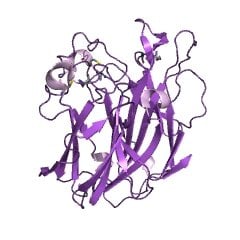
When we freeze protein, it allows for the creation crystallized ice from the aqueous content present in the sample. This can further lead to elevated salt or protein saturation in the watery stage, alternatively known as freeze concentration. Unfortunately, it puts pressure on the stability of the protein. In most cases, it also causes the protein to spread out over the ice, simply making the samples/reagents of no use.
The Solution
Flash freezing the proteins in buffers is a solution to this problem. The ideal thing is to use it with glycerol to sustain protein constancy. Moreover, keeping away from buffers containing phospate is crucial as these experience a stage of transition while freezing, leaving proteins vulnerable to harm. A different yet significant step in preventing such damage is avoiding frequent freezing of the sample simply by securing them in the active aliquots. A study was conducted whereby the blood samples of humans were removed from the freezer with a temperature of around-80°C and left at an ambient temperature at least for 1 hour prior to freezing it again for one whole day. During this phase, it was noted that an increase in the degradation of protein samples was taking place as it underwent greater rounds of freezing cycles. Since the stability of protein is a core job of its biological and physical distinctiveness, here are a few solutions that can prevent degradation of protein to a great extent :
Ensuring correct sample storage (with the right buffer andamp ; flash freeze),
Initially aliquoting the samples so that they don’t require repeat cycles of freezing later,
Ascertaining that the samples are not left at ambient temperature for a prolonged time,
Storing the same at -80°C instead of -20°C (in case the sample’s prolonged existence is possible),
Making use of substitute reagents that can remain stable even at ambient temperature.


 We are quite aware of the fact that reagents must be divided into aliquots, and leaving them on the lab bench isn’t the best thing to do. But the bigger-picture question is : how swiftly do the proteins degrade and what number of freezing cycles is required ? The degradation of samples can lead to critical differences. This means the results generated would be inconsistent, forcing you to put in additional time in repeating the analysis. However, another important concern is the analytical changes that take place in reagents and samples. What could be the cause ? They are quite a few :