
 Peroxidase are types of enzymes that act as catalysts to allow a variety of biological processes to take place. Peroxides are created as byproducts of various biochemical reactions within organisms. They break these compounds down into harmless substances by adding hydrogen, obtained from another molecule, known as a donor molecule. There are a large number of these enzymes and they are found in plants and animals, including humans.
All that You Need to Know About Peroxidase
- Peroxidase are types of enzymes that act as catalysts to allow a variety of biological processes to take place. Peroxides are created as byproducts of various biochemical reactions within organisms. They break these compounds down into harmless substances by adding hydrogen, obtained from another molecule, known as a donor molecule. There are a large number of these enzymes and they are found in plants and animals, including humans.
New Products
 BIS(T-BUTYLAMINO)SILANE CAS : 186598-40-3Identification […]
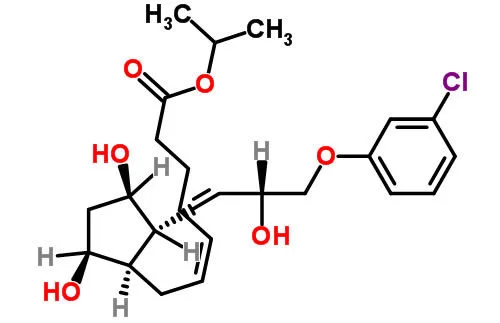 Cloprostenol isopropyl ester CAS 157283-66-4Identification […]
 m-Chlorotoluene/3-Chlorotoluene CAS 108-41-8Identification […]
 Z-Gln(Trt)-OH CAS 132388-60-4Z-Gln(Trt)-OH,132388-60-4,Z-L-Gln(Trt)-OH ; N-Carbobenzyloxy-N'-trityl-L-glutamine ; (S)-2-(Benzyloxycarbonylamino)-5-oxo-5-(tritylamino)pentanoic acid,C32H30N2O5[…]
 UV-405 CAS 137658-79-8Identification […]
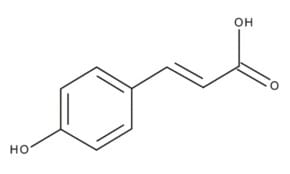 p-Hydroxy-cinnamic acid CAS 7400-08-0p-Hydroxy-cinnamic acid,7400-08-0,PROMESTRIENE,LABOTEST-BB LT00452637;COUMARIC ACID, TRANS-P-;3-(4-HYDROXYPHENYL)ACRYLIC ACID;AKOS 221-47;AKOS BAR-2479;(2E)-3-(4-Hydroxyphenyl)-2-propenoic acid;3-(4-Hydroxyphenyl)-2-propenoic acid;3-(4-hydroxyphenyl)-2-propenoicaci[…]
 Framycetin Sulphate CAS 4146-30-9Framycetin Sulphate,4146-30-9,(2R,3S,4R,5R,6R)-5-Amino-2-(aminomethyl)-6-[(1R,2R,3S,4R,6S)-4,6-diamino-2-[(2R,3R,4S,5R)-4-[(2S,3S,4S,5R,6R)-3-amino-6-(aminomethyl)-4,5-dihydroxy-oxan-2-yl]oxy-3-hydroxy-5-(hydroxymethyl)oxolan-2-yl]oxy-3-hydroxy-cyclohexyl]oxy-oxane-3,4-diol sulphate,C23H46N6O13.H2SO4[…]
 17-Amino-10-oxo-3,6,12,15-tetraoxa-9-azaheptadecanoic Acid CAS 1143516-05-5Identification […]
 Z-OSU CAS 13139-17-8Z-OSU,13139-17-8,Benzyl succinimido carbonate ; Z-ONSu ; Z-OSu ; Cbz-Cl ; N-Benzyloxycarbonyloxy succinimide,C12H11NO5[…]
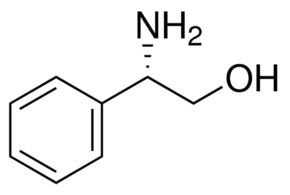 (S)-(+)-Phenylglycinol CAS 20989-17-7H-Phenylglycinol,20989-17-7,(S)-(+)-2-Amino-2-phenylethanol ; L(+)-alpha-Phenylglycinol ; L-beta-Aminophenethyl alcohol,C8H11NO[…]
© 2026 WATSON INTERNATIONAL LIMITED. All Rights Reserved. This site and all content are protected by international Copyright laws. Third party logos and marks appearing on this website are trademarks and/or registered trademarks of their respective owners and licensors, and all rights therein and thereto are reserved to such entities.