1. Why Batteries Seem to “Wear Out”
Why does a phone feel less durable after two or three years ? Why does an electric vehicle’s range slowly shrink ? Behind both lies a cause that few people know about : the active lithium that “carries” a battery’s charge is gradually consumed. A lithium-ion battery works by shuttling lithium ions back and forth between the positive and negative electrodes. These shuttling ions are called active lithium, and almost all of it is initially stored in the cathode material. Every bit of active lithium lost means a bit less battery capacity.
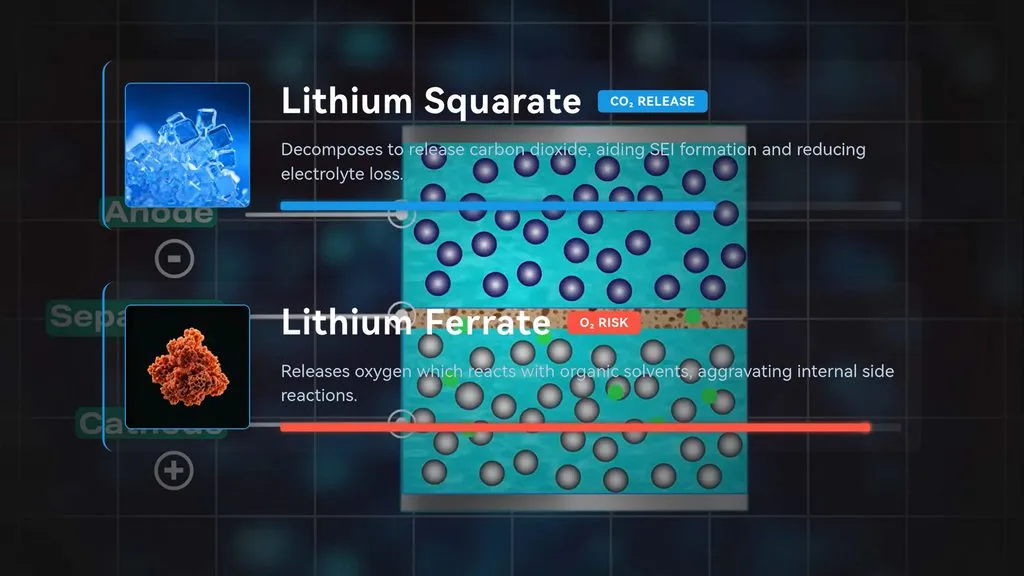
During the first charge, a protective film, called the solid electrolyte interphase (SEI), forms on the surface of the anode and permanently “swallows” part of the lithium supplied by the cathode. It is like opening a new account and being charged a fee before you have used it, and a little more lithium continues to be lost with every subsequent cycle.
2. Prelithiation : Paying the “Fee” in Advance
Prelithiation technology pays this “fee” on the battery’s behalf in advance. Among the approaches, adding a prelithiation additive to the cathode has attracted wide attention because of its high safety and its compatibility with existing battery manufacturing processes.
The benefits also come in degrees. A small amount of prelithiation directly offsets formation loss and raises battery capacity. A larger amount gives the cell an extra “reserve” of lithium that is drawn down over the course of cycling, so capacity fade slows markedly and service life is extended.
3. Lithium Squarate : A Rising Star Among Prelithiation Additives
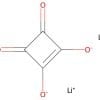
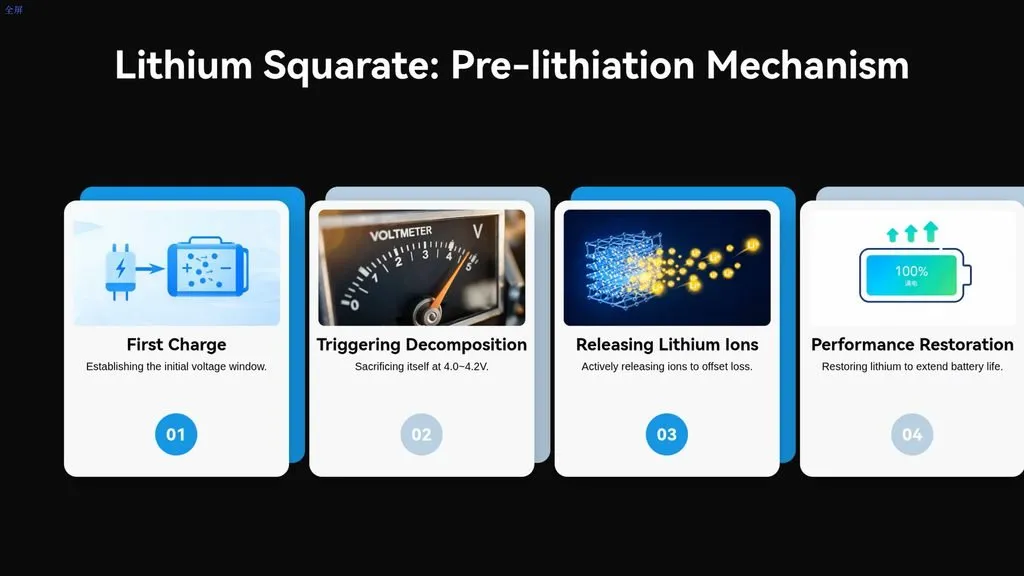
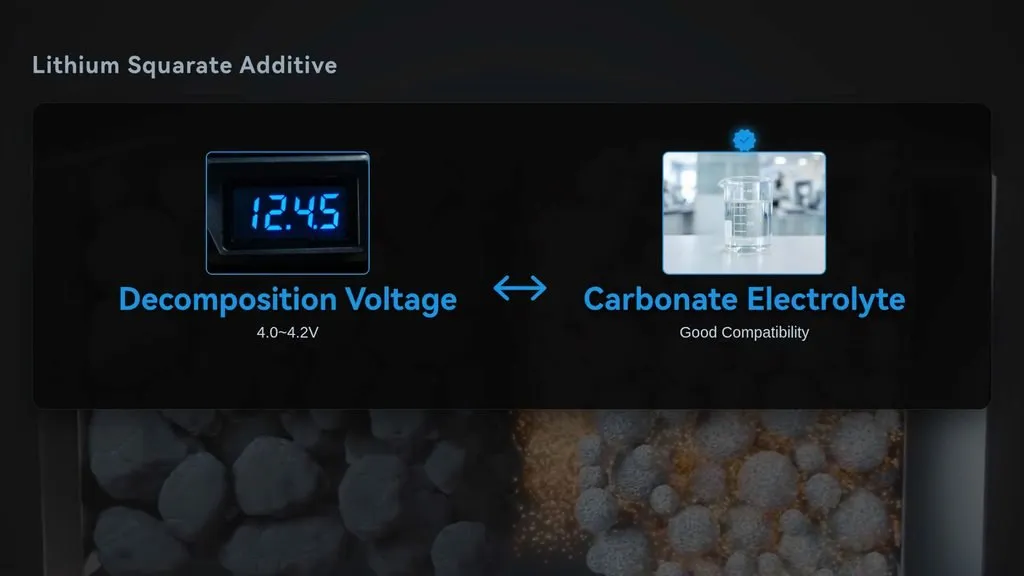
Lithium squarate (Li₂C₄O₄) is a rising star in the family of prelithiation additives. When the battery is first charged and the voltage reaches 4.0 – 4.2 V, it sacrifices itself and releases lithium ions to make up for the loss. This voltage is below the decomposition voltage of common carbonate electrolytes, so the additive is compatible with existing electrolyte systems. The additive itself decomposes into carbon and carbon dioxide, with a theoretical specific capacity of about 425 mAh/g and a measured value of about 400 mAh/g.
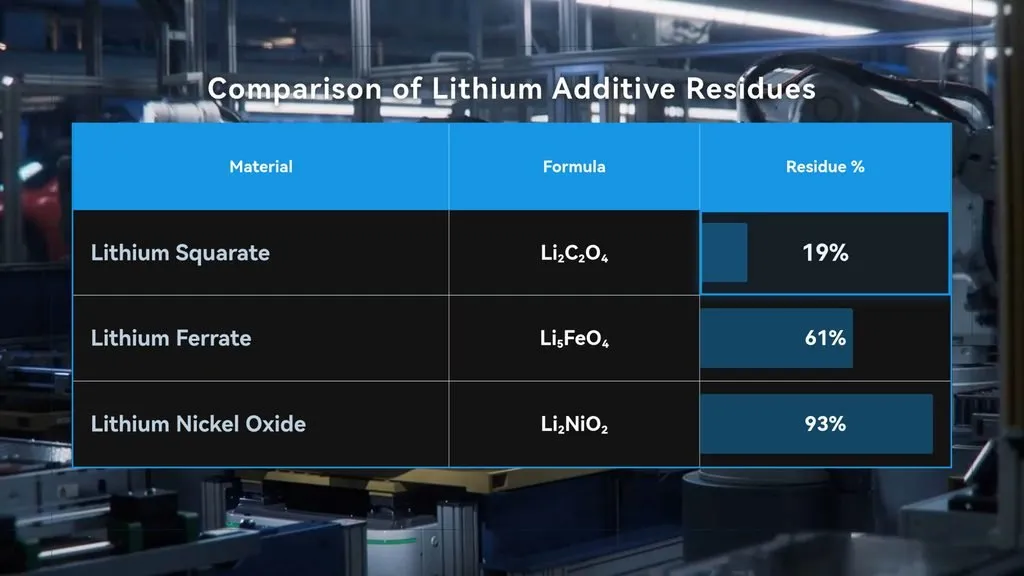
Compared with similar additives such as lithium ferrate (Li₅FeO₄) and lithium nickel oxide (Li₂NiO₂), lithium squarate is distinguished by how cleanly it “leaves the stage”: its residue accounts for only about 19% of its original weight, versus 61% and 93% for lithium ferrate and lithium nickel oxide respectively. This means less dead weight is left inside the cell, and far less drag on energy density. Published research also supports its potential : a team at the University of Münster in Germany found that it is stable in air and compatible with industrial processing, and that when used in cells with silicon-based anodes, cycle life increases with the amount of additive.
4. Easy to Work With : Friendlier to the Environment and the Process
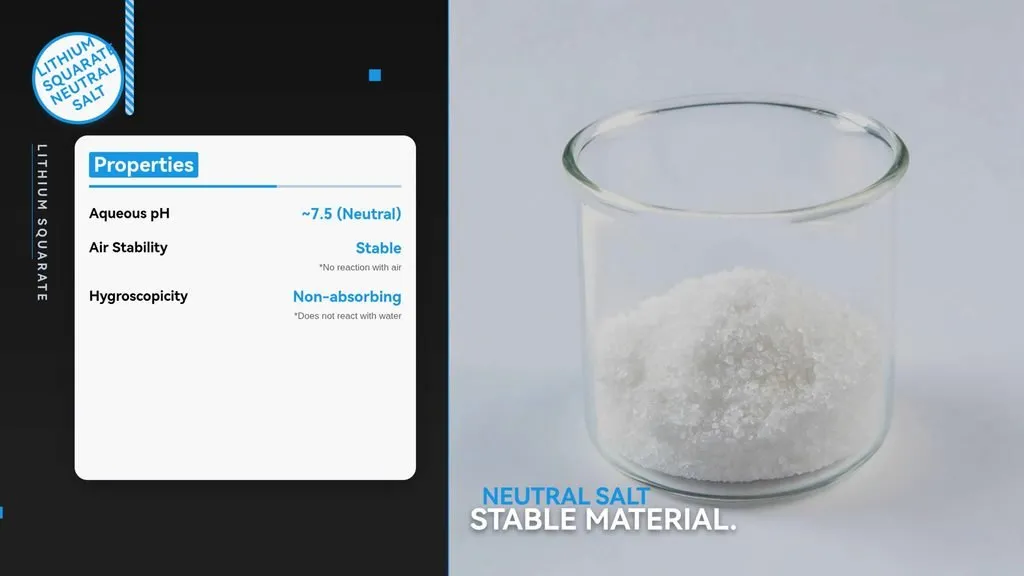
Another major advantage is that it is easy to work with. Metal-containing prelithiation materials such as lithium ferrate and lithium nickel oxide commonly suffer from high residual alkali and poor air stability, deteriorate readily in humid conditions, and can cause cathode slurry to thicken or gel. Lithium squarate is a neutral salt with an aqueous pH of about 7.5 and does not react with water or air. In customer testing, a slurry containing 3% additive had a viscosity of only 3,152 after standing overnight, compared with 7,119 for the reference sample. Production lines therefore do not need stringent moisture-control retrofits for it, and storage and transportation costs fall accordingly.
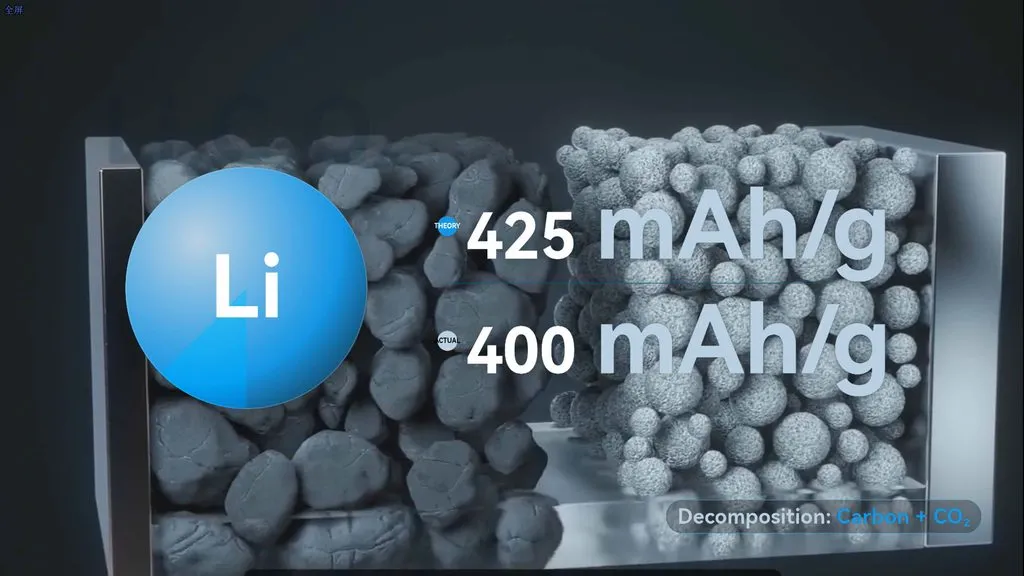
In addition, lithium squarate decomposes to release carbon dioxide, whereas lithium ferrate releases oxygen, which risks reacting with organic solvents and increasing side reactions in the cell. Carbon dioxide, by contrast, may participate in forming the protective film on the anode and, to some extent, reduce electrolyte consumption.
5. Practical Use and Points to Watch
In practice, the barrier to adoption is also low. It is used much like an ordinary cathode material and can be added directly during cathode slurry mixing, with no changes to the cell production line. After the package is opened, it should be stored in a vacuum oven. Even if its moisture content runs high, it can still be used after vacuum or high-temperature drying, without any loss of prelithiation effect.
In cell design, it is only necessary to ensure that : cathode delithiation capacity (including the contribution of the prelithiation agent) × 1.15 = anode lithiation capacity,
so that the anode has enough room to accommodate all of the lithium and the prelithiation effect can be delivered safely. For the formation stage, we recommend 4.35 V and 45 °C, with staged low-current charging, carried out on the premise that degassing efficiency is maintained.
That said, research also cautions that the gas and porosity generated during decomposition remain issues that need continued optimization before lithium squarate can be widely adopted, so the degassing step deserves particular attention.
6. An Inherent Weakness and How to Address It
Lithium squarate also has one inherent weakness : its resistivity is as high as 10⁸ Ω·cm, which makes it a poor electrical conductor and limits the efficiency with which its lithium is released. The industry’s approach is to coat its surface with a layer of carbon, bringing the resistivity below 5 Ω·cm. In coin-cell tests, the carbon-coated material shows markedly better prelithiation performance, and this improvement is also what Watson has recommended to other suppliers. The raw material cost of the carbon-coated product is about $0.11/Ah, lower than the $0.19/Ah of lithium nickel oxide, striking a good balance among prelithiation effect, energy density and cost.
7. Watson : From Lithium to Sodium
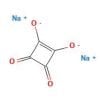
As an upstream supplier on this route, Watson, under ChemWhat brand authorization, is currently producing high-purity lithium squarate raw material in volume for partners worldwide, providing a stable quality foundation for downstream companies developing carbon-coated and other modified products. At the same time, Watson is applying the same approach to develop sodium squarate for sodium batteries. Sodium batteries also lose some of their active sodium during the first charge, and the principle of replenishing it is closely related to prelithiation. From lithium to sodium, Watson aims to extend its experience in synthesizing and controlling the quality of squarate materials to more battery systems, offering reliable raw material support for the next generation of energy storage technology.