
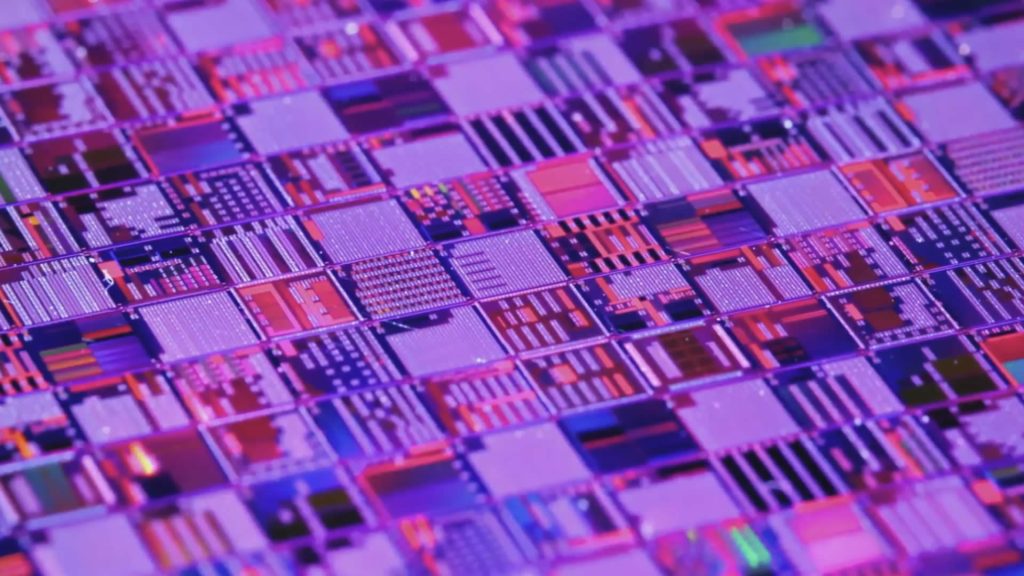
Ultra-pure metal products, such as hydroxy, amino, and alkyl metal compounds with a purity of 6N (99.9999%), offer distinct advantages as precursors for thin film deposition and high-k dielectric materials in semiconductor manufacturing.
Exceptional Purity for Optimal Electrical Properties :
- Minimized Impurities : The unparalleled purity of these compounds ensures the deposition of semiconductor layers virtually free from impurities. This absence of contaminants is crucial for achieving optimal electrical properties and enhancing device performance.
- Consistency and Uniformity : In the fabrication of advanced integrated circuits and LEDs, maintaining uniformity and consistency in the semiconductor layers is paramount. Ultra-pure precursors guarantee that stringent quality standards are met consistently across production batches.
- Enhanced Dielectric Performance : In the context of high-k materials serving as gate insulators in transistors, the purity of precursors is pivotal. The high level of purity directly contributes to the development of dielectric layers with exceptionally high capacitance values. This enhanced dielectric performance is essential for sustaining device scaling and improving overall performance.
- Reduced Leakage Currents and Power Consumption : Notably, high-k materials derived from ultra-high purity precursors facilitate the reduction of leakage currents and power consumption without necessitating an increase in the physical dimensions of the transistor. This contributes to overall energy efficiency and device reliability.

Applications :Semiconductor Layer Deposition :
These products are integral to processes like Metal-Organic Chemical Vapor Deposition (MOCVD), enabling the deposition of semiconductor layers with unparalleled precision. This precision is a cornerstone in fabricating integrated circuits and LEDs, ensuring the desired performance and reliability. Their exceptional purity ensures minimal impurities in deposited layers, critical for achieving optimal electrical properties and device performance.
Products such as hafnium and zirconium-based amino metal compounds are primarily employed. Additionally, tetrachloroethylene can serve as a precursor material for CVD of TiN, TiO2, and Ti metal, which finds applications in the production and manufacturing of semiconductor integrated memories. Furthermore, Tetraethylammonium is a current research hotspot in the ALD and CVD fields and can also serve as a precursor material for TiO2.
High-k Dielectric Films :
As precursors for high-k materials, they enable the fabrication of dielectric layers with exceptional capacitance values. This capability is pivotal for advanced transistors and memory devices, facilitating enhanced functionality and efficiency. The high purity of these precursors directly contributes to the development of dielectric layers with high capacitance values, crucial for transistor gate insulators. This aspect allows for the reduction of leakage currents and power consumption while maintaining transistor performance.

Production Challenges and Solutions for Achieving Ultra-pure :

Why Achieving Such Ultra-pure is Challenging :
- Stringent Purity Requirements : Achieving 6N purity is extremely difficult due to the stringent control needed over every step of the synthesis and purification process. Even the smallest contaminants can significantly affect the electrical properties of semiconductor materials.
- Complexity of Chemical Reactions : The synthesis of ultra-pure metal products involves complex chemical reactions that must be meticulously controlled to prevent the introduction of impurities.
- Sensitivity to Environmental Factors : The products must be protected from exposure to atmospheric moisture and oxygen, which can introduce contaminants and degrade the quality of the precursors.
How We Achieve Ultra-pure :
- Advanced Synthesis Techniques : We use highly controlled synthesis environments that include inert atmospheres and ultra-pure reagents to minimize contamination. Reactions are carefully monitored and optimized to ensure the highest possible purity.
- State-of-the-Art Equipment : Utilizing cutting-edge equipment such as high-vacuum systems, ultra-pure gas sources, and advanced filtration and purification technologies, we can achieve the desired purity levels. Specialized reactors and deposition equipment ensure the precursors remain uncontaminated throughout the production process.
- Rigorous Quality Control : Each batch of precursors undergoes stringent quality control measures, including advanced analytical techniques such as Inductively Coupled Plasma Mass Spectrometry (ICP-MS) and High-Performance Liquid Chromatography (HPLC), to confirm purity levels and detect any potential impurities.
Broader Applications and Immense Potential of Ultra-pure Metals :
- Advanced Microelectronics : The demand for smaller, faster, and more efficient electronic devices continues to drive the need for ultra-pure metal products. Ultra-pure metal products are crucial in developing next-generation microprocessors and memory devices.
- Quantum Computing : The precision and purity required for quantum computing components necessitate the use of ultra-pure metal products. These products play a significant role in the fabrication of qubits and other quantum devices.
- Photonics and Optoelectronics : Ultra-pure metal products are essential for producing high-performance photonic and optoelectronic devices, including lasers, photodetectors, and solar cells. The use of ultra-pure precursors ensures optimal optical properties and device efficiency.
- Energy Storage and Conversion : In the field of energy storage and conversion, such as in batteries and fuel cells, the use of ultra-pure metal products can lead to improved performance, longevity, and safety.
- Medical Devices and Sensors : The development of advanced medical devices and sensors benefits from the high reliability and performance provided by ultra-pure metal products, ensuring accurate diagnostics and effective treatments.
The Role of FCAD in Achieving Ultra-pure :
FCAD’s expertise lies in its ability to maintain continuous nitrification reactions and ensure anhydrous and oxygen-free production conditions and environments. Additionally, FCAD utilizes complex separation and extraction technology to achieve these ultra-pure levels.
- State-of-the-Art Equipment : FCAD employs cutting-edge equipment and automated production lines to ensure precision in every batch.
- Environmental Control Systems : Advanced environmental control systems are in place to maintain optimal production conditions.
- Trademarks : FCAD’s registered trademarks also cover these ultra-pure metal products sold in most countries, making it easier for customers to identify products originating from FCAD.
In summary, FCAD’s expertise in producing 6N ultra-pure metal products advances semiconductor and liquid crystal materials, meeting the demands of cutting-edge applications and shaping the future of high-tech industries.
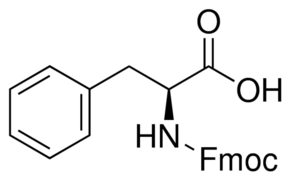
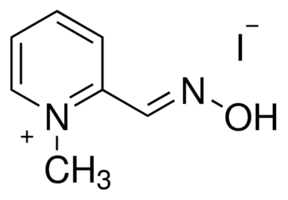
![structure of (2R,4S)-5-([1,1'-biphenyl]-4-yl)-4-((tert-butoxycarbonyl)aMino)-2-Methylpentanoic acid CAS 1012341-50-2](https://www.watson-int.com/wp-content/uploads/2015/07/structure-of-2R4S-5-11-biphenyl-4-yl-4-tert-butoxycarbonylaMino-2-Methylpentanoic-acid-CAS-1012341-50-2.gif "structure of (<span class=\"caps\">2R</span>,<span class=\"caps\">4S</span>)-5-([1,1′-biphenyl]-4-yl)-4-((tert-butoxycarbonyl)aMino)-2-Methylpentanoic acid <span class=\"caps\">CAS</span> 1012341-50-2")