
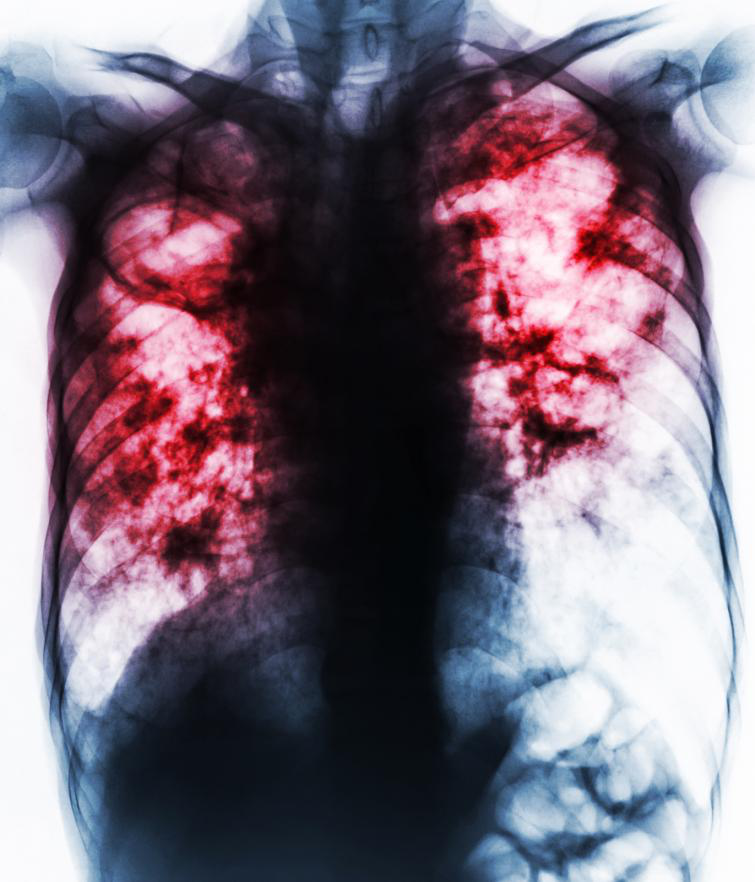
 Fibrosis is a normal physiological response to injury. It acts to deposit connective tissues in the injured area, thereby promoting healing and reinforcing tissue remodeling. However, this normal physiological response can sometimes overshoot and that’s when fibrosis can be dangerous. Such cases are what we refer to as fibrosis-related diseases. In a fibrosis-related disease, what happens is, the regulatory pathway for fibrosis is disturbed by pathogens. Cells that take part in the physiological response start acting abnormally, causing excess deposition of connective tissues in the injured area. This excess deposition can interfere with the normal function and architecture of the underlying tissue or organ. If not stopped, it can completely overwhelm the tissue (or organ) and cause tissue death. Over the years, several compounds have been tested for treating fibrosis-related diseases. But no compound has received as much attention as halofuginone — a synthetic halogenated variant of febrifugine.
The Potential of Using Halofuginone to Treat Fibrosis-Related Diseases
 Fibrosis is a normal physiological response to injury. It acts to deposit connective tissues in the injured area, thereby promoting healing and reinforcing tissue remodeling. However, this normal physiological response can sometimes overshoot and that’s when fibrosis can be dangerous. Such cases are what we refer to as fibrosis-related diseases. In a fibrosis-related disease, what happens is, the regulatory pathway for fibrosis is disturbed by pathogens. Cells that take part in the physiological response start acting abnormally, causing excess deposition of connective tissues in the injured area. This excess deposition can interfere with the normal function and architecture of the underlying tissue or organ. If not stopped, it can completely overwhelm the tissue (or organ) and cause tissue death. Over the years, several compounds have been tested for treating fibrosis-related diseases. But no compound has received as much attention as halofuginone — a synthetic halogenated variant of febrifugine.
New Products
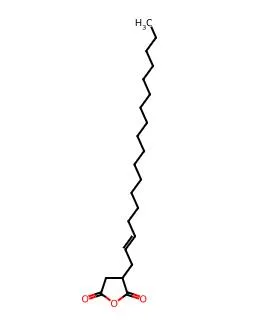
- ASA(Alkenyl Succinic Anhydride) CAS 67066-88-0Identification […]
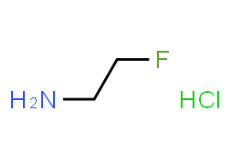
- 2-Fluoroethylamine hydrochloride CAS 460-08-2Identification […]
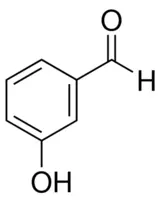
- 3-Hydroxybenzaldehyde CAS 100-83-43-Hydroxybenzaldehyde,100-83-4,m-Hydroxybenzaldehyde,C7H6O2 […]
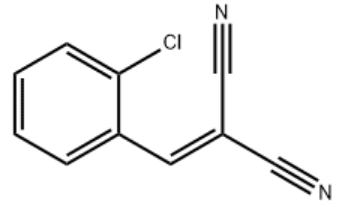
- o-Chlorobenzylidene malononitrile CAS 2698-41-1Identification […]
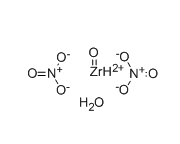
- ZIRCONYL NITRATE HYDRATE CAS 14985-18-3Identification […]
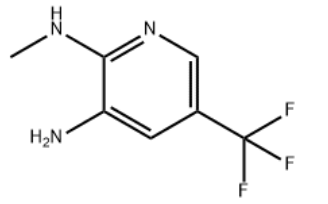
- N2-methyl-5-(trifluoromethyl)pyridine-2,3-diamine CAS 172648-55-43-AMINO-2-(METHYLAMINO)-5-(TRIFLUOROMETHYL)PYRIDINE,172648-55-4, […]
- Xylanase CAS 37278-89-0 (9025-57-4)Xylanase from Trichoderma viride,9025-57-4,Xylanase, endo-1,4-;Xylanase, endo-1,4-.beta.-;FUNGALXYLANASE;XYLANASEFROMASPERGILLUSNIGER;endoxylanase;1,4-beta-D-Xylanxylanohydrolase, endo-1,4-beta-Xylanase;Acid Xylanase;Xylanase , thermostable […]
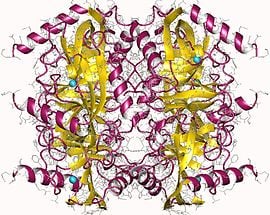
- Pyrophosphatase Inorganic CAS 9024-82-2Identification […]
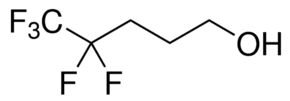
- Pentafluoropentanol CAS 148043-73-6Pentafluoropentanol,148043-73-6,4,4,5,5,5-Pentafluoropentanol […]
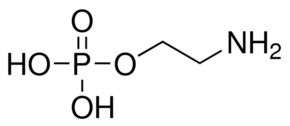
- O-Phosphorylethanolamine CAS 1071-23-4Identification […]

© 2026 WATSON INTERNATIONAL LIMITED. All Rights Reserved. This site and all content are protected by international Copyright laws. Third party logos and marks appearing on this website are trademarks and/or registered trademarks of their respective owners and licensors, and all rights therein and thereto are reserved to such entities.