
 Dextrans are high molecular weight polysaccharides formed of at least 50%, by α -1.6 linked glucose units, with α -1.3 branch linkages. The enzyme may also contain other branch linkages such as α-1.4.The solubility of dextrans decreases as the proportion of other α linkages increases with respect to the α – 1.6 linkages. The use of dextranases in the sugar industry was suggested more than 30 years ago when the enzyme was only studied for the preparations of medicinal dextrans used as substitutes for blood plasma and more recently in toothpaste formulations to hydrolyze the dextrans present in the dental surfaces. Since then, companies have been producing preparations of dextranases to be used in the sugar manufacturing process. DN 25 L and later the DN50 L were the first commercially launched dextranase enzymatic preparations. The enzymatic preparation of Dextranase 50 L suggested that it should be used specifically to hydrolyze the dextrans in juices. The use of dextranase CAS 9025-70-1 in the sugar industry has evolved over the years. In 1990s, the development of the production process in Pichia pastoris of the recombinant dextranase of P. minioluteum performed by Cuban researchers concluded in the formulation of the enzymatic preparation Hebertec-Dextranase, which was used for industrial application studies in different sugar mills. During the year 2002 a new enzymatic preparation appeared in the market, Dextranase Plus L. This enzyme had improved characteristics with a thermal stability at up to 85◦C and a wider pH range between 3 and 7, produced from the fungus Chaetomium erraticum. Prior to the formation of this enzyme, Dextranase L was already available in the market and was being used in juices and syrups. The enzymatic preparation of Dextranase Plus L defines its specific use for the juice or syrup, extending its possibility of use in the presence of higher temperatures due to the thermo tolerance. Dextranase from P. aculeatum in juices extracted from different parts of the sugar cane harvested under different conditions showed that the enzyme was especially useful in the case of critical state of the production process and when the sour cane was supplied. The prolonged reaction times and low Brix were favorable conditions for enzymatic hydrolysis when Dextranase was added in the initial stages of the process in the mills or during evaporation. If you’re looking for high quality Dextranase CAS 9025-70-1, look no further than Watson International. In addition to this, we offer a wide range of chemicals produced under strict quality control.
 Uses of Dextranase Enzyme in the Sugar Industry
 Dextrans are high molecular weight polysaccharides formed of at least 50%, by α -1.6 linked glucose units, with α -1.3 branch linkages. The enzyme may also contain other branch linkages such as α-1.4.The solubility of dextrans decreases as the proportion of other α linkages increases with respect to the α – 1.6 linkages. The use of dextranases in the sugar industry was suggested more than 30 years ago when the enzyme was only studied for the preparations of medicinal dextrans used as substitutes for blood plasma and more recently in toothpaste formulations to hydrolyze the dextrans present in the dental surfaces. Since then, companies have been producing preparations of dextranases to be used in the sugar manufacturing process. DN 25 L and later the DN50 L were the first commercially launched dextranase enzymatic preparations. The enzymatic preparation of Dextranase 50 L suggested that it should be used specifically to hydrolyze the dextrans in juices. The use of dextranase CAS 9025-70-1 in the sugar industry has evolved over the years. In 1990s, the development of the production process in Pichia pastoris of the recombinant dextranase of P. minioluteum performed by Cuban researchers concluded in the formulation of the enzymatic preparation Hebertec-Dextranase, which was used for industrial application studies in different sugar mills. During the year 2002 a new enzymatic preparation appeared in the market, Dextranase Plus L. This enzyme had improved characteristics with a thermal stability at up to 85◦C and a wider pH range between 3 and 7, produced from the fungus Chaetomium erraticum. Prior to the formation of this enzyme, Dextranase L was already available in the market and was being used in juices and syrups. The enzymatic preparation of Dextranase Plus L defines its specific use for the juice or syrup, extending its possibility of use in the presence of higher temperatures due to the thermo tolerance. Dextranase from P. aculeatum in juices extracted from different parts of the sugar cane harvested under different conditions showed that the enzyme was especially useful in the case of critical state of the production process and when the sour cane was supplied. The prolonged reaction times and low Brix were favorable conditions for enzymatic hydrolysis when Dextranase was added in the initial stages of the process in the mills or during evaporation. If you’re looking for high quality Dextranase CAS 9025-70-1, look no further than Watson International. In addition to this, we offer a wide range of chemicals produced under strict quality control.
New Products
- <span class="caps">POLY</span>(1,<span class="caps">4-PHENYLENE</span> <span class="caps">SULFIDE</span>) <span class="caps">CAS</span> 26125-40-6Identification […]
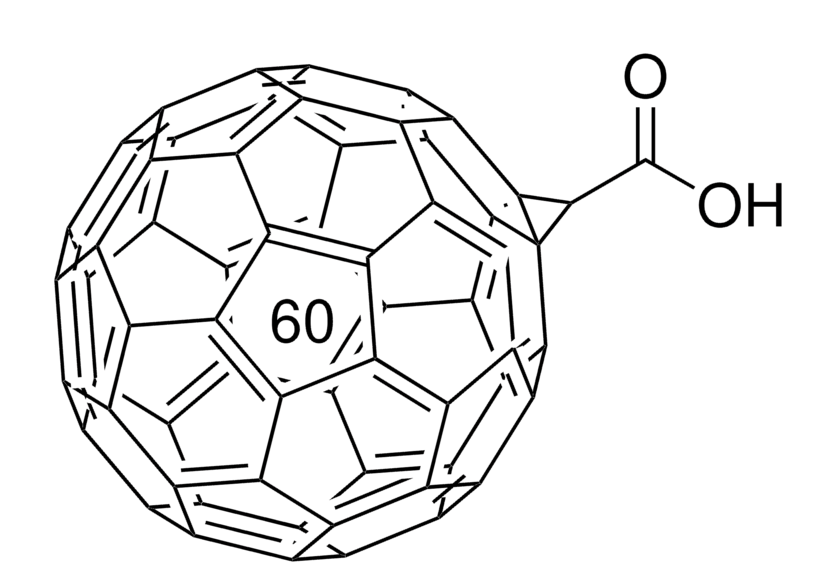
- <span class="caps">C60-COOH</span> <span class="caps">CAS</span> 155116-19-1155116-19-1,C60-COOH,3'H-Cyclopropa[1,9][5,6]fullerene-C60-Ih-3'-carboxylic acid […]
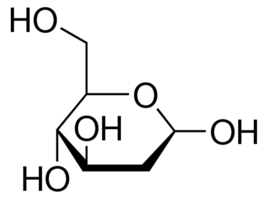
- 2-Deoxy-D-Glucose <span class="caps">CAS</span> 154-17-62-Deoxy-D-Glucose,154-17-6,2-Deoxy-D-arabino-hexose;D-Arabino-2-deoxyhexose,C6H12O5 […]
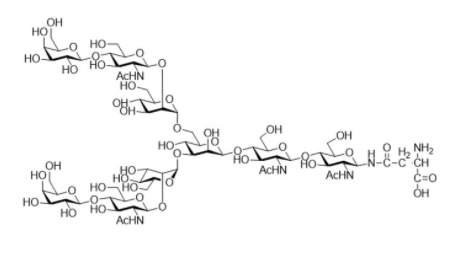
- Sialylglycopeptide <span class="caps">CAS</span> 67299-24-5Identification […]
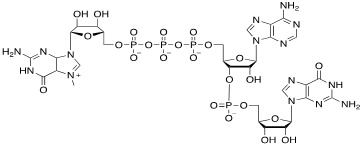
- m7Gppp <span class="caps">CAS</span> <span class="caps">UENA-0198</span>Identification […]
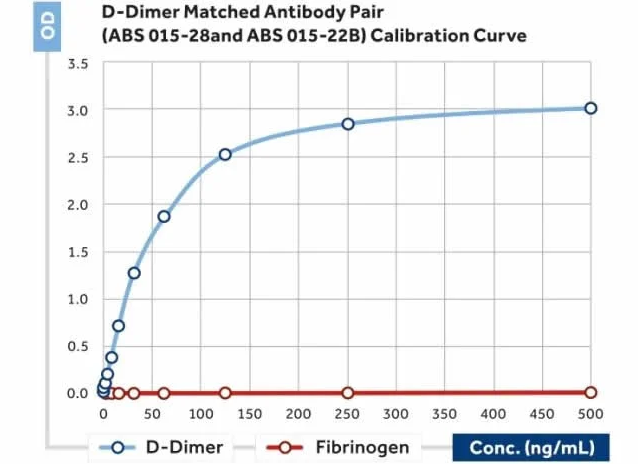
- Anti-D-Dimer antibodyDescription […]
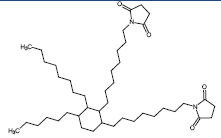
- Bismaleimide Of Dimer Diamine <span class="caps">CAS</span> 682800-79-9Identification […]
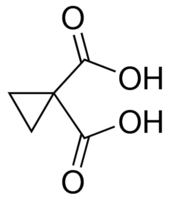
- 1,1-Cyclopropanedicarboxylic acid <span class="caps">CAS</span> 598-10-71,1-Cyclopropanedicarboxylic acid,598-10-7,, […]
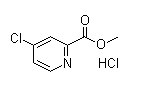
- Methyl 4-chloro-2-pyridinecarboxylate hydrochloride <span class="caps">CAS</span> 176977-85-8Identification […]
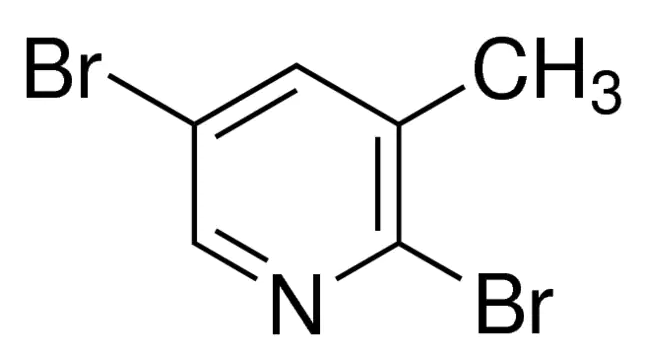
- 2,5-Dibromo-3-picoline <span class="caps">CAS</span> 3430-18-02,5-Dibromo-3-picoline,3430-18-0,,2,5-Dibromo-3-methylpyridine […]
© 2026 WATSON INTERNATIONAL LIMITED. All Rights Reserved. This site and all content are protected by international Copyright laws. Third party logos and marks appearing on this website are trademarks and/or registered trademarks of their respective owners and licensors, and all rights therein and thereto are reserved to such entities.