Modern Struggles of Grape Growing : A Battle Against Pests
From the rolling hills of Napa Valley, to the sun-drenched vineyards of Tuscany, grape cultivation holds a timeless allure. For millennia, humans have nurtured these delicate vines, transforming their fruit into beverages and delicacies enjoyed across the globe. Yet, beneath the romance of viticulture lies a constant struggle against adversity. Pests, in their persistent and varied forms, pose a significant challenge to grape growers, threatening the quality and quantity of their harvests. Insects, with their insatiable appetites, can decimate entire vineyards, leaving behind a trail of skeletal leaves and stunted fruit. For decades, the go-to solution for pest control in vineyards was chemical pesticides. These potent concoctions, often synthetically derived, promised quick and decisive victories against invading insects and encroaching fungi. Yet, this approach, while seemingly effective in the short term, has proven to be a double-edged sword. The widespread and often indiscriminate use of chemical pesticides has led to a cascade of unintended consequences. Pest populations, once easily controlled, have developed resistance to these chemicals, rendering them increasingly ineffective. Furthermore, these toxic substances have infiltrated our environment, contaminating soil and water sources, and posing risks to human health and wildlife.
Pheromones in Pest Control
Pheromones, in essence, are the language of insects, conveying vital information about mating, food sources, and potential dangers. By mimicking these chemical signals, we can disrupt insect behavior, preventing them from reproducing and causing damage to crops. Two primary techniques utilize pheromones in pest control- mating disruption and pheromone trapping.
- Mating disruption involves saturating the vineyard with synthetic pheromones, confusing male insects and preventing them from finding females to mate with. This disrupts the reproductive cycle, leading to a decline in pest populations.
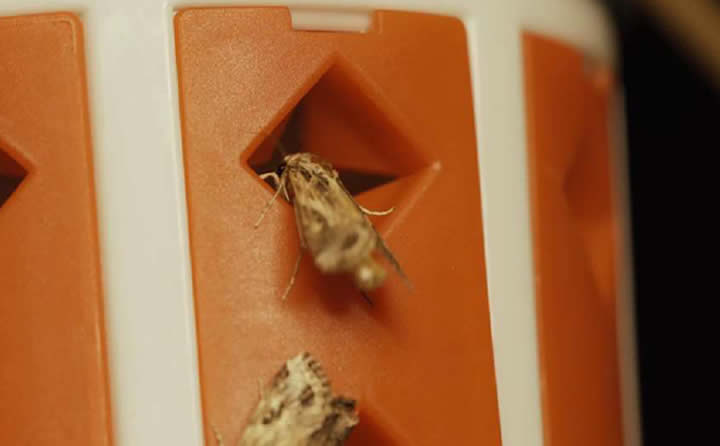
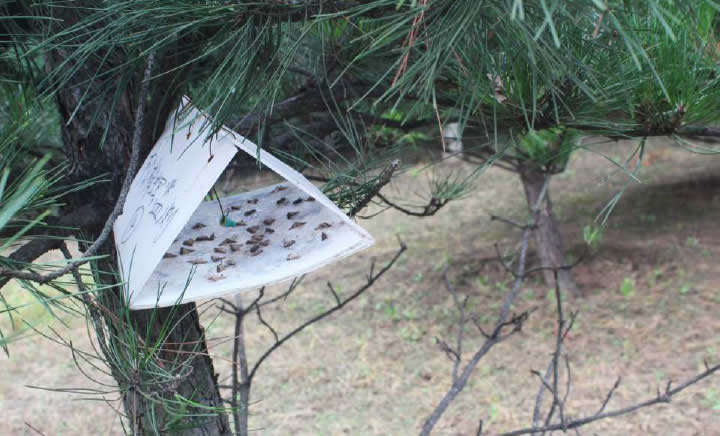
- Pheromone trapping, on the other hand, utilizes pheromone-baited traps to lure and capture insects, providing valuable information about pest populations and enabling targeted control measures.
Precision and Environmental Protection
The use of pheromones in pest control offers several key advantages over traditional chemical pesticides.
- Firstly, pheromones are highly specific, targeting only the intended pest species and leaving beneficial insects, such as pollinators, unharmed. This precision minimizes collateral damage to the ecosystem and preserves biodiversity.
- Secondly, pheromones are environmentally benign. They are naturally occurring substances that degrade readily in the environment, leaving no harmful residues. Unlike chemical pesticides, pheromones do not contaminate soil, water, or air, making them a safer alternative for both human health and the environment.
Watson, A Pioneer in Pheromone Technology
Watson, a leading provider of pheromone-based pest control solutions, stands at the forefront of this innovative field. Their commitment to high purity, large-scale production capacity and stable and continuous supply is evident in their high-quality pheromone products. With its state-of-the-art production facilities and commitment to high-quality, high-purity pheromones, Watson is well-equipped to meet the demands of modern agriculture. Watson’s pheromones are rigorously tested and formulated to ensure optimal efficacy in disrupting pest mating cycles.
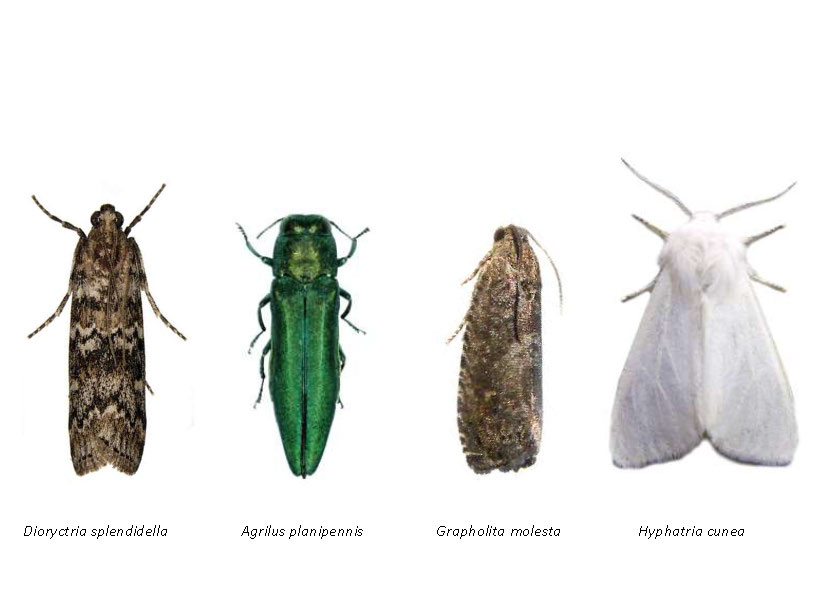
Watson offers a comprehensive range of pheromones with high purity standard, targeting grape pests like :
- Lobesia botrana, the European grapevine moth
- Codling Moth, a major pest of apples and pears, but also capable of affecting grapevines
- Oriental Fruit Moth, known for attacking stone fruits like peaches
- Navel Orangeworm, a significant pest for almonds, pistachios, and other nut crops, but also known to impact grape production
- Oblique Banded Leaf Roller, a pest that affects a wide variety of fruit trees, including grapevines.
Watson also offers customized pheromone solutions based on the specific insect species and regional agricultural needs, tailoring products to the requirements of different crops and environments. For tech companies or scientists seeking pest pheromone products, Watson’s offerings provide a clear advantage. If you have specific needs, Watson can customize pest pheromones to address the unique challenges in your agricultural setting. Please feel free to contact Watson by semiochemical@watson-int.com for more information or assistance with insect pheromone products.