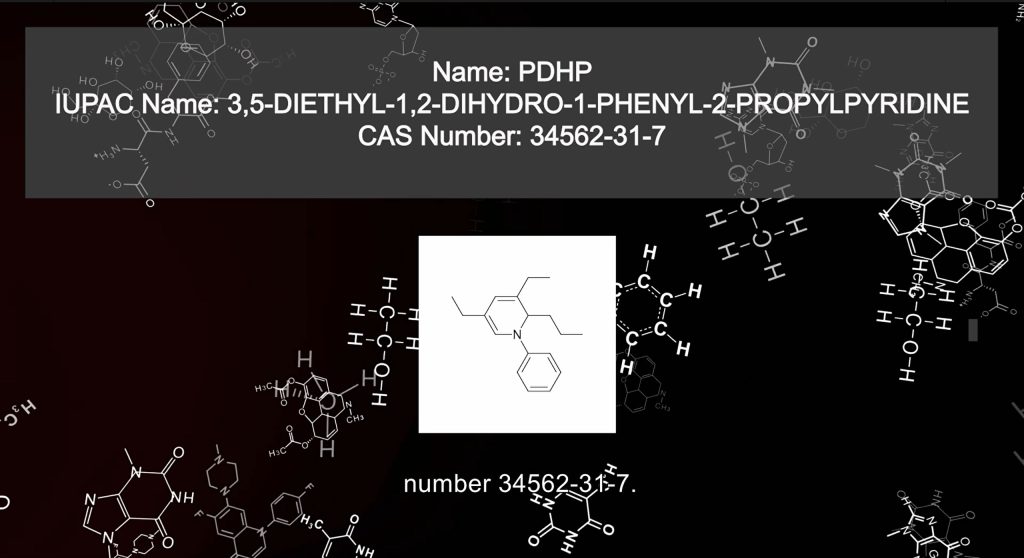
In the competitive world of chemical manufacturing, maintaining consistency and meeting precise specifications are essential for success. One compound that highlights these principles is 3,5-Diethyl-1,2-dihydro-1-phenyl-2-propylpyridine, commonly known as PDHP, with the CAS number 34562-31-7. PDHP is a versatile compound utilized in various industrial applications, including rubber additives and catalytic processes. Among its many attributes, Watson’s ability to consistently produce PDHP as a light yellow liquid stands out, especially in industries where the appearance of the final product is crucial.
PDHP serves a vital role in several industrial sectors. In the rubber industry, it functions as an additive that enhances the durability and longevity of rubber products. PDHP’s properties help improve the stability of rubber, making it more resistant to environmental wear and tear. Additionally, in catalysis, PDHP’s structure allows it to act as an effective ligand or catalyst precursor, facilitating various chemical reactions essential for the production of fine chemicals and pharmaceuticals.
While the functional properties of PDHP are critical, Watson has placed a strong emphasis on controlling the physical appearance of this compound. Watson’s commitment to delivering PDHP as a consistent light yellow liquid is not just about maintaining purity — it’s about ensuring that the compound integrates seamlessly into products where color uniformity is essential.
In industries like rubber manufacturing, the color of additives can significantly affect the final product. A consistent, light yellow PDHP ensures that it does not alter the intended color of the rubber, which is especially important for products where visual appearance is a key quality factor. Watson’s precise control over the appearance of PDHP is achieved through advanced manufacturing processes that focus on the careful management of reaction conditions and purification steps to produce a consistently colored product.
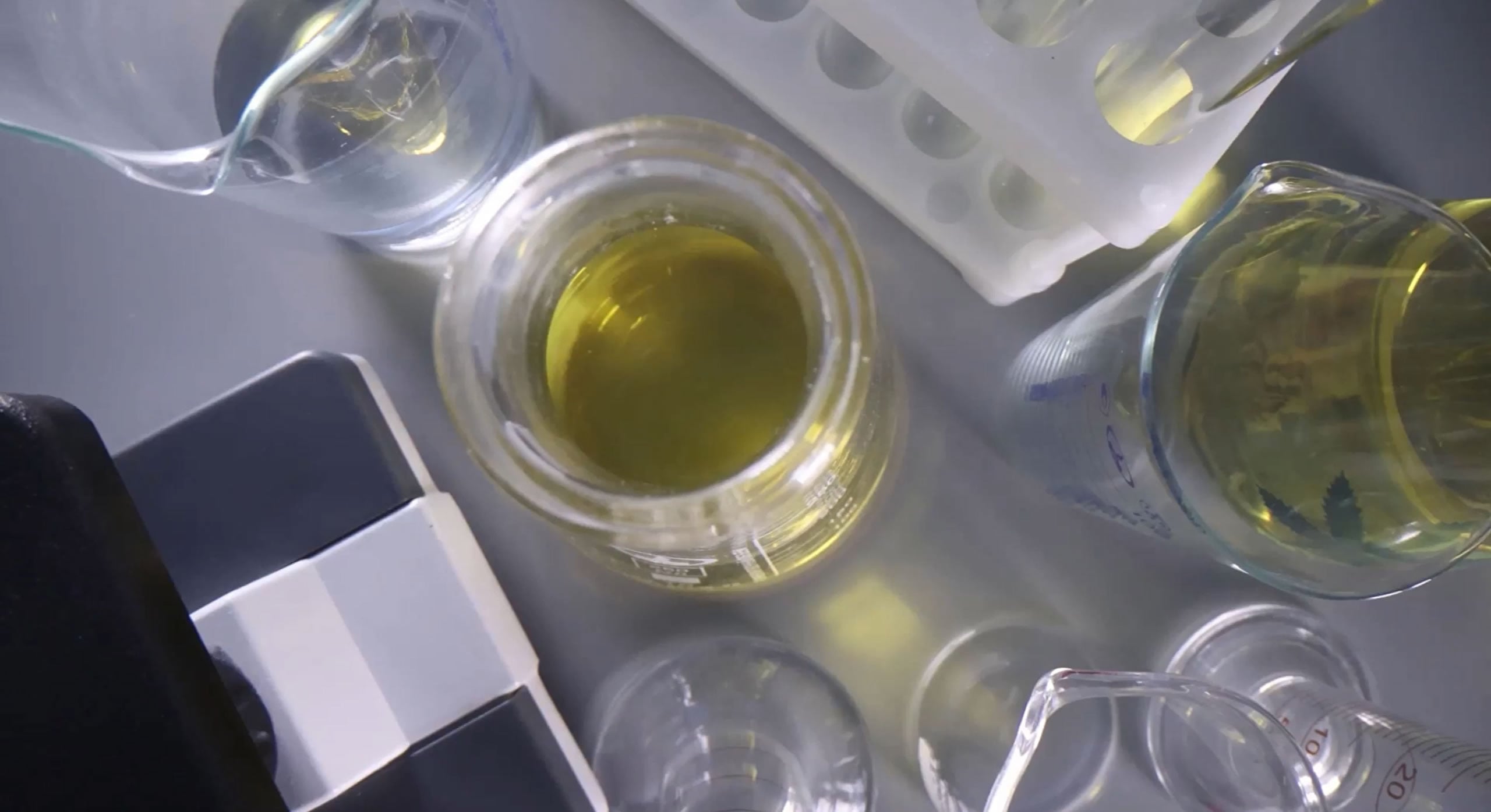
In many industrial applications, the appearance of a chemical compound like PDHP can directly impact the final product. A uniform light yellow color in PDHP prevents any unintended color changes in the products it is used to enhance. For manufacturers, especially those in sectors where product appearance is a critical selling point, such as consumer goods or specialty rubbers, the consistency in PDHP’s color helps maintain the aesthetic quality of their products.
Watson’s meticulous approach to controlling the color of PDHP ensures that their customers can confidently use the compound without worrying about it affecting the visual attributes of their final products. This level of quality control not only reflects Watson’s expertise but also their understanding of the specific needs of their clients.
Watson’s production of PDHP as a consistent light yellow liquid is a testament to their dedication to quality and attention to detail. By ensuring that PDHP maintains a stable appearance, Watson helps its clients avoid any negative impact on the color of their products. In industries where appearance is as important as performance, Watson’s expertise in controlling the visual characteristics of PDHP makes them a trusted partner in chemical manufacturing. As PDHP continues to be an essential component in various applications, Watson’s commitment to appearance control will remain a key factor in its widespread adoption and success.
If you’re interested in water-based photoinitiators, feel free to visit www.watson-int.com for more details, or send an email to pdhp@watson-int.com for inquiries.