Identification
CAS Number
1314-13-2
Name
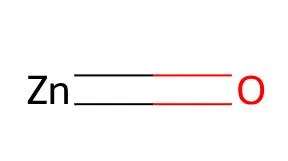
Zinc oxide
Synonyms
Flowers of zinc
Oxozinc
[IUPAC name – generated by ACD/Name]
SMILES
O=[Zn]
StdInChI
InChI=1S/O.Zn
StdInChIKey
XLOMVQKBTHCTTD-UHFFFAOYSA-N
Molecular Formula
ZnO
Molecular Weight
81.39
EINECS
215-222-5
MDL Number
MFCD00011300
Properties
Appearance
white or yellowish-white powder
Safety Data
Symbol
 GHS09
GHS09Signal Word
Warning
Hazard statements
H410Precautionary Statements
P273 – P391 – P501RIDADR
NONH for all modes of transport
WGK Germany
2
Specifications and Other Information of Our Zinc oxide CAS 1314-13-2
Identification Methods
HNMR, HPLC
Purity
99.9% min
Total impurities
0.1% max.
PbO
0.0020% max.
Cu
0.0020% max.
Cd
0.0010% max.
Fe
0.0005% max.
Cl
0.0005% max.
S
0.0007% max.
Mn
0.0001% max.
As
0.0001% max.
Ni
0.0001% max.
Tl
0.0005% max.
PH
7.3 – 7.5
Volatile materials
0.2% max.
Ignition loss
0.2 max.
Water soluble elements
0.10% max.
Solubility in HCl
99.9% min.
Specific weight
5.6g/cm3
Moisture
0.2% max.
Surface area BET method
3.5 – 7 m2/g
Mesh 325
99.9 min.
Shelf Life
2 years
Storage
Under room temperature away from light
Productivity
1MT/month
Known Application
- Rubber Vulcanization Activator
Widely used in the rubber and tire industry as a vulcanization activator to improve curing efficiency, heat resistance, abrasion resistance, and mechanical properties of rubber compounds. - Coatings and Pigments
Used as a white pigment (Zinc White) in paints, coatings, and inks, providing excellent opacity, weather resistance, and anti-mildew performance. - Sunscreen and Personal Care Products
Applied in sunscreens, skincare products, and cosmetics as a physical UV filter, offering effective protection against UVA and UVB radiation while providing skin-soothing and antimicrobial benefits. - c
Used in ointments, creams, wound-care products, and skin protectants due to its astringent, antimicrobial, and skin-healing properties. - Electronic Ceramics and Functional Materials
Utilized in the manufacture of varistors, ceramic components, semiconductors, piezoelectric devices, and other electronic materials due to its unique electrical properties. - Chemical Processing and Catalysis
Used as a catalyst, catalyst precursor, and desulfurization agent in various chemical processes, including petroleum refining and gas purification. - Animal Nutrition and Agricultural Applications
Serves as a zinc supplement in animal feed and agricultural products, helping to meet essential micronutrient requirements.
Key Advantages
1.Excellent UV-blocking performance
2.Good antimicrobial and anti-mildew properties
3.High chemical and thermal stability
4.Strong whitening and hiding power
5.Suitable for cosmetic, pharmaceutical, and industrial applications
6.Available in conventional and nano-grade forms for advanced material development
Links
This product is developed by our R&D company Caming Pharmaceutical Ltd (https://www.caming.com/).
Quick Inquiry
Fill out our inquiry form and one of our experts will be in touch with you shortly.