In the long evolution of dental material technology, following the three important dental raw materials of 10-MDP (10-Methacryloyloxydecyl dihydrogen phosphate), 4-META (4-Methacryloxyethyl trimellitic anhydride), and Bis-GDMAP (Bis(Glyceryl Dimethacrylate)Phosphate), ChemWhat has achieved another major technological breakthrough by successfully developing a series of high-performance alternatives to UDMA (Urethane Dimethacrylate), bringing revolutionary innovation to the dental materials industry.
Technical Foundation of Traditional Dental Materials
10-MDP, as a phosphate-containing methacrylate modified monomer, provides excellent long-term bonding performance and is recommended for use as an adhesion promoter in dental applications. 4-META is typically used in combination with 10-MDP as a dental adhesive, with research finding that methacrylates with both hydrophobic and hydrophilic groups enhance monomer penetration into dentin pretreated with 10% citric acid and 3% ferric chloride. Watson has established itself as the global leading supplier of Bis-GDMAP, commanding a significant market share in this critical compound.
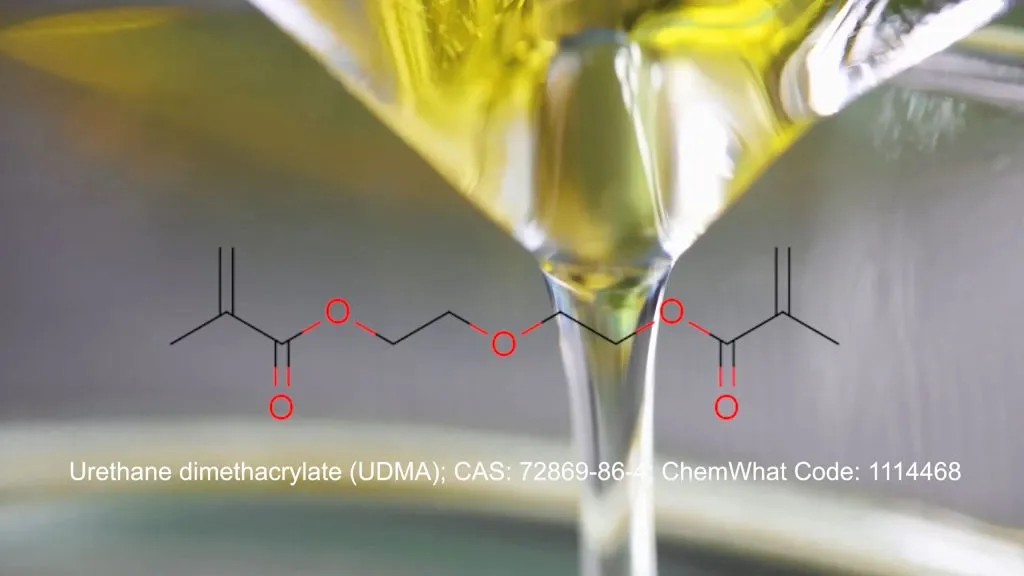
UDMA, as a base resin monomer in dental composites, features a flexible aliphatic core structure with a molecular weight of 470 g/mol and relatively low viscosity (23 Pa·s), playing a crucial role in dental restorative materials.
Technical Characteristics and Application Challenges of UDMA
UDMA is used as a crosslinking monomer together with Bisphenol A-Glycidyl Methacrylate (Bis-GMA) and Triethylene Glycol Dimethacrylate (TEGDMA) to provide excellent mechanical properties for dental adhesives. However, traditional UDMA faces several technical challenges in practical applications, including limitations in shrinkage control, strength optimization, and cost-effectiveness.
ChemWhat’s Technical Breakthrough : Comprehensive UDMA Alternative Solutions
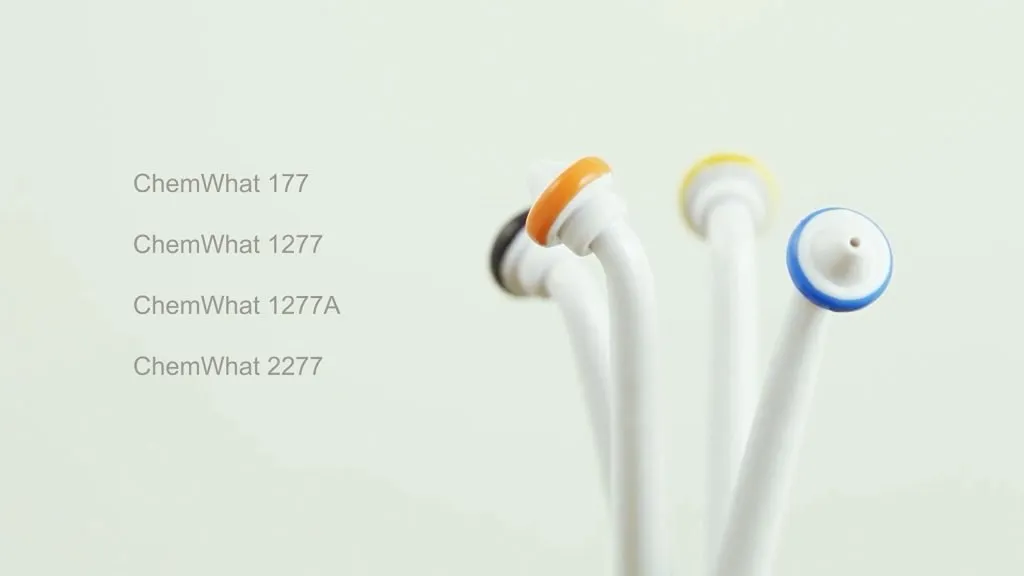
Following its success in the dental adhesive field, ChemWhat has successfully developed alternatives to UDMA, including ChemWhat 177, 1277, 1277A, and 2277. The development of this product series marks a significant advancement in dental materials technology.
Functionally Differentiated Product Matrix
- ChemWhat 1277 : Functionally Equivalent Core Product – ChemWhat 1277 offers the closest functional similarity to UDMA, providing superior cost-effectiveness while maintaining original performance characteristics. This product provides an ideal solution for applications requiring direct UDMA replacement.
- ChemWhat 1277A and 2277 : High-Strength Enhanced Versions – ChemWhat 1277A and 2277 demonstrate superior strength compared to UDMA, providing technical support for dental restorative applications requiring higher mechanical performance. The development of these two products reflects ChemWhat’s technical innovation capabilities in material reinforcement.
- ChemWhat 177 : Low-Shrinkage Specialized Material – ChemWhat 177 exhibits significantly lower shrinkage compared to UDMA and is primarily used for dental impressions and temporary crown fabrication. The low-shrinkage characteristics are of significant importance for ensuring precision and long-term stability of dental restorations.
Far-Reaching Impact of Technical Innovation
- Strategic Significance of Cost Advantages : These materials not only provide effective functional alternatives to UDMA but also offer cost advantages. This cost advantage has profound strategic significance for the dental materials industry, enabling the widespread adoption of high-quality dental restoration technologies.
- Market Value from Product Differentiation : By developing alternative products with different characteristics, ChemWhat has achieved product differentiation positioning. From the functionally equivalent 1277, to the high-strength 1277A and 2277, to the low-shrinkage 177, this complete product line provides customized solutions for different application scenarios.
- Continuity of Technical Innovation : Watson focuses on developing additional specifications of 10-MDP, seeking to accommodate diverse customer formulations while enhancing adhesive stability, bonding strength, and compatibility with other components through variations in grade and performance. This philosophy of continuous innovation is also reflected in ChemWhat’s development process for UDMA alternatives.
- New Directions for Industry Development : ChemWhat’s breakthrough developments in UDMA alternatives not only address the technical limitations of traditional materials but also point to new directions for the entire dental materials industry. By achieving comprehensive advantages of cost reduction, performance enhancement, and application expansion through technological innovation, this successful model provides important insights for the development of other dental materials.
From 10-MDP, 4-META, and Bis-GDMAP to the UDMA alternative series, ChemWhat’s continuous innovation in the dental materials field demonstrates its profound technical expertise and forward-looking market insights. The successful development of ChemWhat 177, 1277, 1277A, and 2277 not only provides users with more choices but, more importantly, drives the entire dental materials industry toward higher performance and lower cost directions. This series of technological breakthroughs marks ChemWhat’s emergence as an important force in advancing dental materials technology, making significant contributions to the development of global dental healthcare.