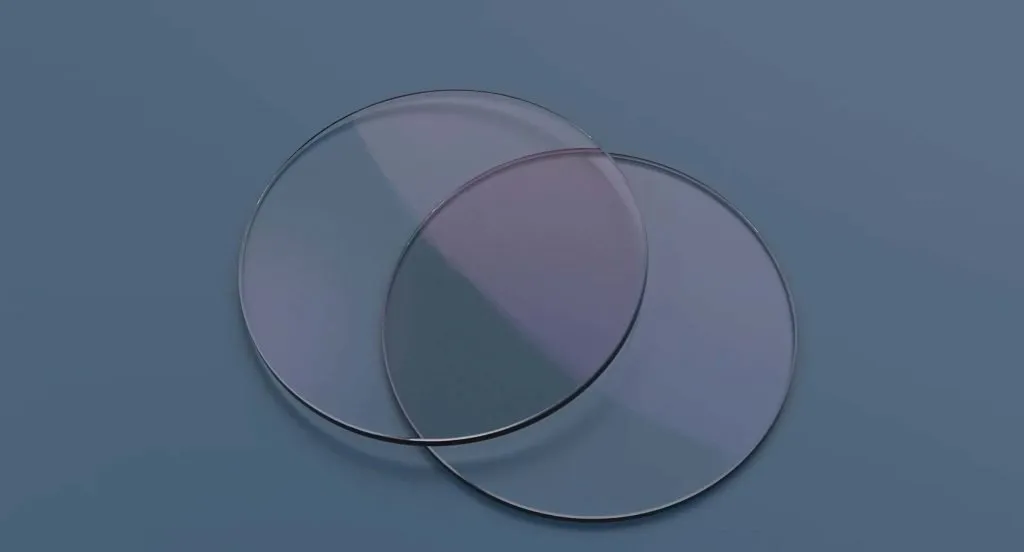
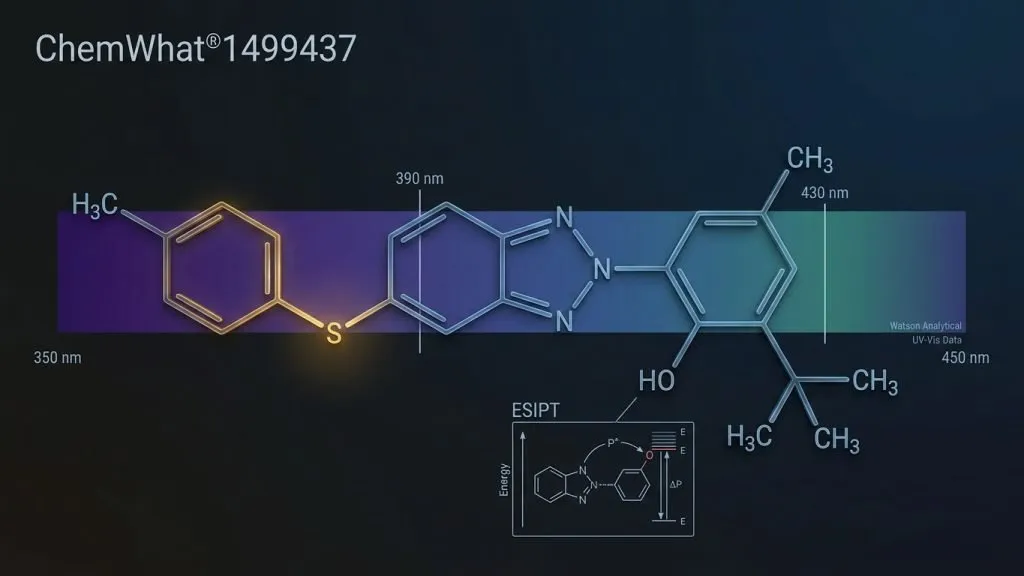
In the fields of precision optics and high-performance electronic display materials, the challenge has long been to efficiently block harmful blue light while ensuring high substrate transparency and processing stability. ChemWhat®1499437, a new generation of red-shifted benzotriazole absorbers, introduces a specialized aryl thioether structure at the 5-position of the molecular backbone. This breakthrough not only enables precise interception of ultraviolet and harmful blue light but also establishes new industry benchmarks for high-temperature processing stability and product purity control.
I. A Dual Breakthrough in Spectrum and Processing : Achieving Optimal Balance
The core technological value of ChemWhat®1499437 lies in its precise molecular engineering, which fundamentally overcomes the traditional trade-off between filtration efficiency and processing performance.
Ultimate Narrow-Band Absorption and Sharp Cut-off
- The product delivers a qualitative leap in spectral performance, achieving a complete cut-off (0% transmittance) at 390nm.
- As it transitions into the 400-420nm high-energy blue light region, the spectral curve shows an extremely sharp upward trend.
- This ensures that transmittance rapidly recovers to ≥98.0% at 430nm, allowing for precise “directional blocking” of harmful blue light while maintaining high transparency for lenses and display films.
Superior Stability in High-Temperature Processing
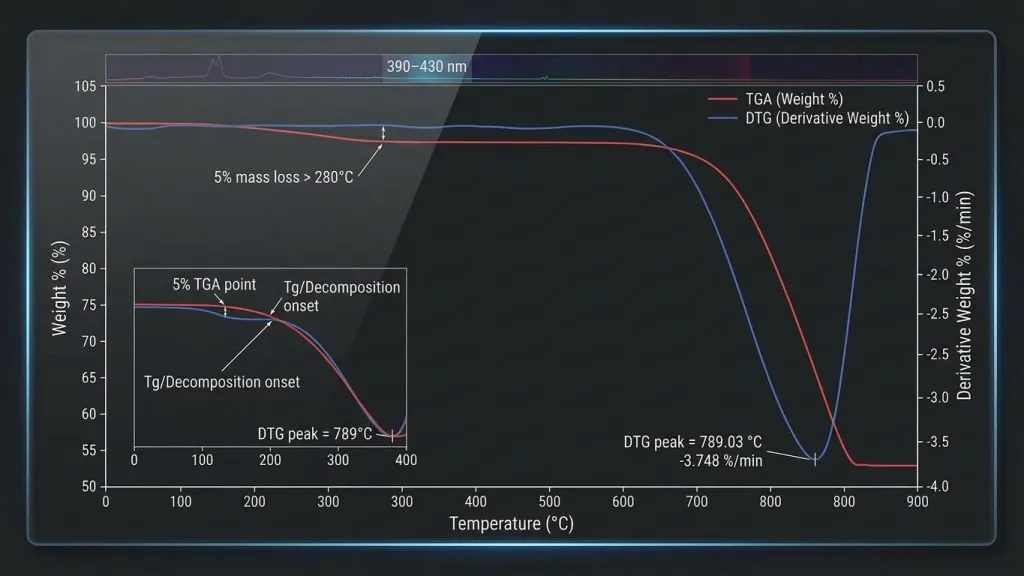
- Tailored for PC and PET extrusion and injection molding processes, ChemWhat®1499437 exhibits exceptional heat resistance, with a 5% thermal decomposition temperature (TGA) exceeding 280°C.
- This high thermal stability structure effectively prevents sublimation at elevated temperatures.
- It fundamentally resolves industry-wide production bottlenecks such as mold fouling, die plate accumulation, and clogging of vacuum production lines.
Excellent Optical Stability
- Based on the Excited-State Intramolecular Proton Transfer (ESIPT) mechanism, the product ensures that the material maintains excellent chromaticity (Y.I.) and gloss.
- This mitigates the risk of yellowing and haze deterioration during the substrate’s service life.
II. Extensive Application Fields
With its unique performance characteristics, ChemWhat®1499437 has become the preferred solution for high-end functional material production lines :
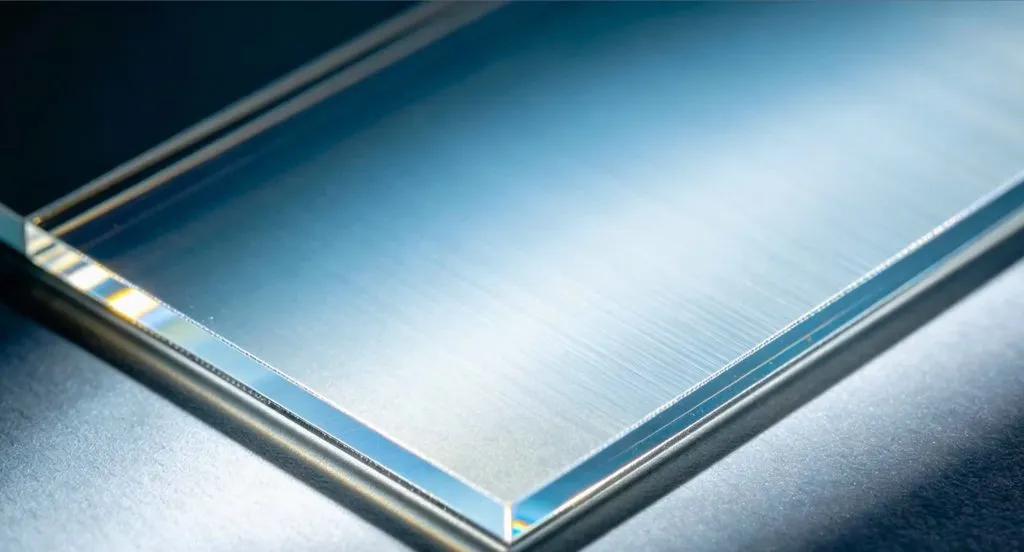
- High-End Optical Systems : In CR-39 and MR-8 series resin lenses, a micro-addition of only 0.1% – 0.8% imparts superior blue light protection without affecting color rendering.
- Electronic Display Protection : Compatible with PET screen protectors, polarizing film layers, and OCA optical clear adhesives, an addition of 0.5% – 2.0% enhances screen weather resistance and visual comfort.
- High-Performance Functional Coatings : Provides a protective ratio of 1.0% – 3.0% in automotive window films and high-end architectural film systems, ensuring functional integrity against long-term environmental exposure.
III. Watson’s Process Barrier : Quality Differentiation Through Original Internal Controls
While the molecular structure of ChemWhat®1499437 is known in the industry, the superior overall performance of Watson’s product stems from its rigorous adherence to “invisible internal control indicators” — core process data inherited from British original research technology.
- ppm-Level Metal Ion Control : Watson employs catalyst cleaning and purification steps that far exceed industry standards, controlling metal ion residues at extremely low levels to eliminate the risk of “latent discoloration” after lens curing.
- Deep Filtration of Isomeric Impurities : Through precision fractional distillation and recrystallization techniques derived from the original process, Watson thoroughly removes trace isomeric impurities. This prevents color anomalies induced by thermal degradation during high-temperature processing, ensuring uniform hue across every batch.
- Long-term Dynamic Moisture Monitoring : Recognizing the extreme sensitivity of optical resins to moisture (≤0.2%), Watson utilizes specialized modified drying treatments to maintain extreme product dryness, preventing micro-bubbles during high-speed extrusion.
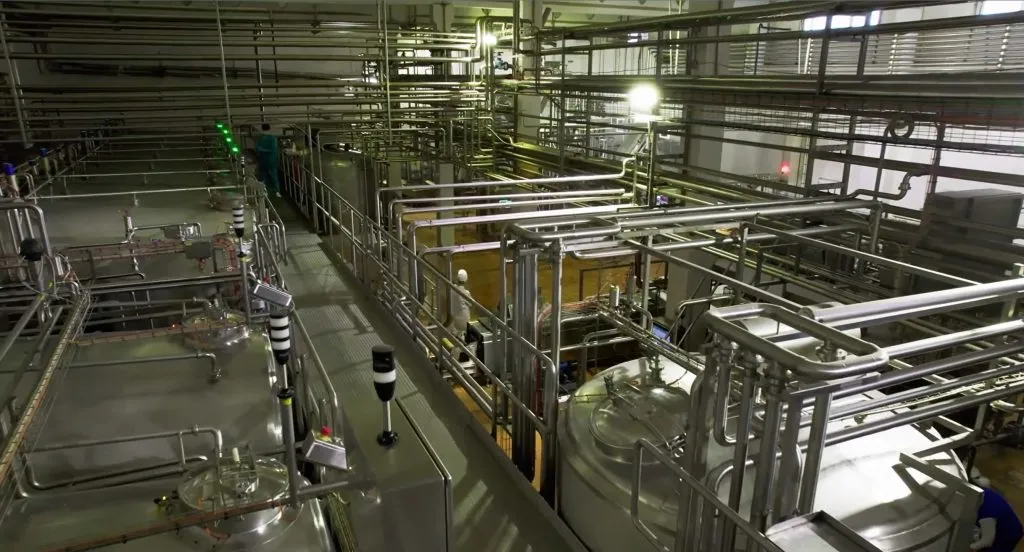
- Capacity Assurance : Watson operates fully automated, closed-loop production lines capable of hundreds of tons annually, with full digital traceability from raw material to finished product to provide long-term strategic security for global industry leaders.

![Structure of 2-[[(butylamino)carbonyl]oxy]ethyl acrylate CAS 63225-53-6](https://www.watson-int.com/wp-content/uploads/2024/10/Structure-of-2-butylaminocarbonyloxyethyl-acrylate-CAS-63225-53-6.png "Structure of 2-[[(butylamino)carbonyl]oxy]ethyl acrylate <span class=\"caps\">CAS</span> 63225-53-6")