Identification
Name
IGF-1CAS Number
67763-96-6, 61461-67-4Synonyms
Insulin-Like Growth Factor-I, Human Insulin Growth Factor-I, Human SM-C Somatomedin 1 IGF-A, Human Sulfation Factor C Myotrophin rhIGF-I Insulin-likegrowth factor IMolecular Structure

MDL Number
MFCD00081716Properties
Appearance
Lyophilized PowderRecombinant
Expressed in E. coliSafety Data
Personal Protective Equipment
Eyeshields, Gloves, type N95 (US), type P1 (EN143) respirator filterWGK Germany
3Specifications and Other Information of Our IGF-1 CAS 67763-96-6
Volume
1±0.1mg/vialConcentration
1.01mg/mlSpecific Activity
80000IU/mgIdentification Methods
Electrophoresis, HPLCPurity
97%Impurity Peak(10.1’)
1.5%Impurity Peak(11.3’)
1.5%Sterility
Sterile-filteredEndotoxin
4EU/mgRelated Substances
1% maxAnalysis Note
The biological activiy is calculated by the dose-dependent proliferation of murine BALB/C3T3 cells. ED50 corresponds to a specific activity of at least 1 x 10⁷ units/mg.Reconstitution
Reconstitute in water.Physical Form
Lyophilized from 0.2 μm filtered solution in 50 mM acetic acid.Biochem/physiol Actions
IGF-1 belongs to the insulin-like growth factor family of signaling molecules that play critical roles in cellular energy metabolism and in growth and development, especially prenatal growth.Also known as somatomedin C, is secreted from the liver into circulation in a process regulated by pituitary growth hormone (GH) and so it mediates the growth-promoting activity of GH. In the developing embryo IGF-I is expressed primarily by mesenchymal-derived cells. After birth IGF-I expression in most extrahepatic tissues declines and hepatic expression of it becomes GH-regulated. Expression of IGF-I outside the liver is regulated differently, depending on the specific tissues. For example, gonadotropins and sex steroids regulate IGF-I expression within the reproductive system, while parathyroid hormone and sex steroids regulate IGF-I expression in bone. It is produced in several human tumors. It is mitogenic for a variety of cells including fibroblasts, osteoblasts, smooth muscle cells, fetal brain cells, neuroglial cells, and erythroid progenitor cells. IGF-I exerts its actions exclusively through the IGF-I receptor (IGF-IR). it induces endothelial cell migration and is involved in the regulation of angiogenesis. Also known as somatomedin C, is secreted from the liver into circulation in a process regulated by pituitary growth hormone (GH) and so it mediates the growth-promoting activity of GH. In the developing embryo it is expressed primarily by mesenchymal-derived cells. After birth IGF-I expression in most extrahepatic tissues declines and hepatic expression of it becomes GH-regulated. Expression of IGF-I outside the liver is regulated differently, depending on the specific tissues. For example, gonadotropins and sex steroids regulate IGF-I expression within the reproductive system, while parathyroid hormone and sex steroids regulate IGF-I expression in bone. It is produced in several human tumors. IGF-I is mitogenic for a variety of cells including fibroblasts, osteoblasts, smooth muscle cells, fetal brain cells, neuroglial cells, and erythroid progenitor cells. It exerts its actions exclusively through the IGF-I receptor (IGF-IR). It induces endothelial cell migration and is involved in the regulation of angiogenesis.General View of Doccuments
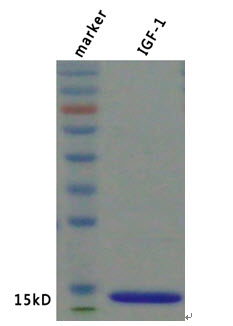
IGF-1 CAS 67763-96-6 Electrophoresis

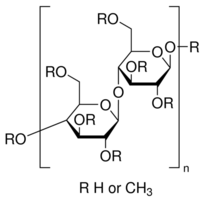
![Structure of 7-BROMO-2,3-DICHLOROPYRIDO[2,3-B]PYRAZINE CAS 341939-31-9](https://www.watson-int.com/wp-content/uploads/2018/04/Structure-of-7-BROMO-23-DICHLOROPYRIDO23-BPYRAZINE-CAS-341939-31-9.png "Structure of <span class=\"caps\">7-BROMO-2</span>,<span class=\"caps\">3-DICHLOROPYRIDO</span>[2,<span class=\"caps\">3-B</span>]<span class=\"caps\">PYRAZINE</span> <span class=\"caps\">CAS</span> 341939-31-9")