
AgNW-TEs are an innovative and essential component in modern optoelectronic devices. Combining high electrical conductivity with excellent optical transparency, these electrodes are pivotal in advancing technologies ranging from displays to solar cells. This article delves into the fundamentals of AgNW-TEs, exploring their structure, properties, and significance in various applications. The electrodes consist of networks of silver nanowires or nanoparticles that create a conductive and transparent film. These films are typically deposited onto substrates through various techniques such as spin coating, spray coating, or printing. The nanostructured design allows the electrodes to maintain a balance between electrical conductivity and transparency, making them suitable for a range of optoelectronic applications.
Structure and Properties
The key to the functionality of AgNW-TEs lies in their structure. Silver nanowires, for example, are typically a few nanometers in diameter and several micrometers in length. When these nanowires are deposited onto a substrate, they form a percolative network that enables efficient electron transport while allowing light to pass through. This unique structure imparts several beneficial properties :

- High Conductivity : Silver is one of the most conductive materials available. The interconnected network of nanowires or nanoparticles ensures minimal resistance to electron flow, making these electrodes highly conductive.
- Optical Transparency : Despite the presence of metal, the sparse distribution of nanowires or nanoparticles in the network allows most of the light to pass through, ensuring high optical transparency.
- Flexibility : The nanostructured design allows these electrodes to be deposited on flexible substrates. This flexibility is crucial for applications in bendable and wearable electronics.
- Stability : Silver nanowires and nanoparticles are generally stable under various environmental conditions, providing longevity to the devices in which they are used.
Applications
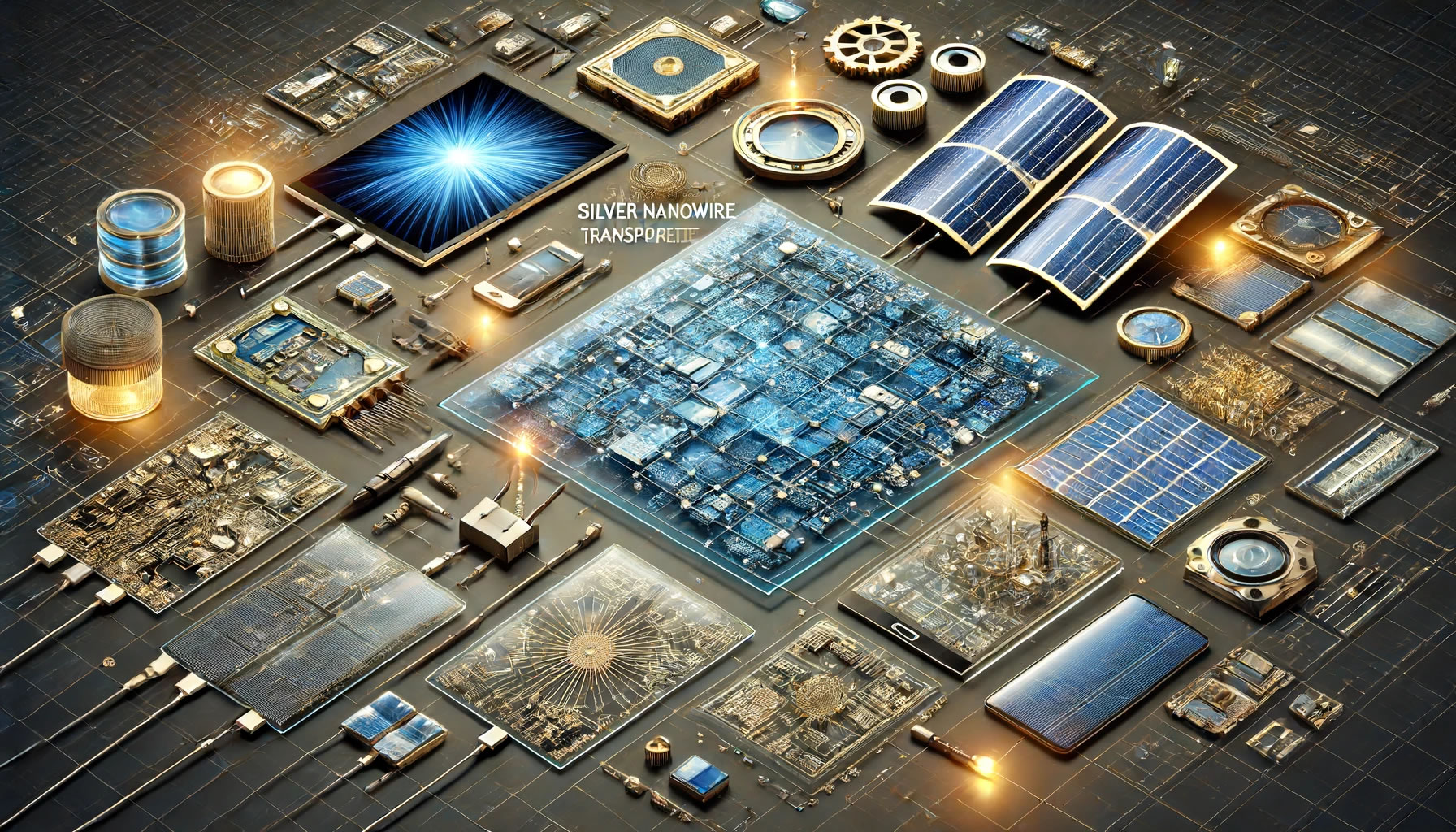
The unique combination of properties offered by AgNW-TEs has led to their adoption in several key applications :
- Display Technologies : Used in OLEDs, LCDs, and other display types, these electrodes help create brighter and more efficient displays. Their flexibility also supports the development of foldable and flexible screens.
- Solar Cells : In photovoltaic devices, AgNW-TEs serve as the top layer that allows light to enter while conducting electricity. This improves the efficiency and performance of solar cells.
- Touchscreens : The fine mesh of silver nanowires enhances the sensitivity and responsiveness of touchscreens in smartphones, tablets, and other devices, providing a seamless user experience.
- Smart Windows : These electrodes enable smart windows that can adjust their transparency in response to external stimuli, helping in energy savings and improving indoor comfort.
Advantages over Traditional Materials
AgNW-TEs offer several compelling advantages over traditional materials such as indium tin oxide (ITO), which has been the industry standard for many years. Here, we explore these advantages in greater detail, highlighting why nanostructured silver is becoming the material of choice for many cutting-edge applications.
Cost-Effectiveness
Raw Material Availability
Indium, a key component of ITO, is a rare and expensive element. The limited supply and high cost of indium have been significant barriers to the widespread adoption of ITO in new applications. In contrast, silver, while still a precious metal, is more abundant and cost-effective in the form of nanostructures. The production methods for silver nanowires and nanoparticles are also becoming increasingly cost-efficient, making them a more economical option for large-scale production.
Manufacturing Costs
The fabrication of ITO requires high-temperature vacuum deposition processes, which are energy-intensive and expensive. Silver nanowires, on the other hand, can be deposited using solution-based processes such as spin coating, spray coating, and printing. These methods are less costly and can be easily scaled up for mass production, further reducing the overall manufacturing costs.
Mechanical Flexibility
Bendability and Stretchability
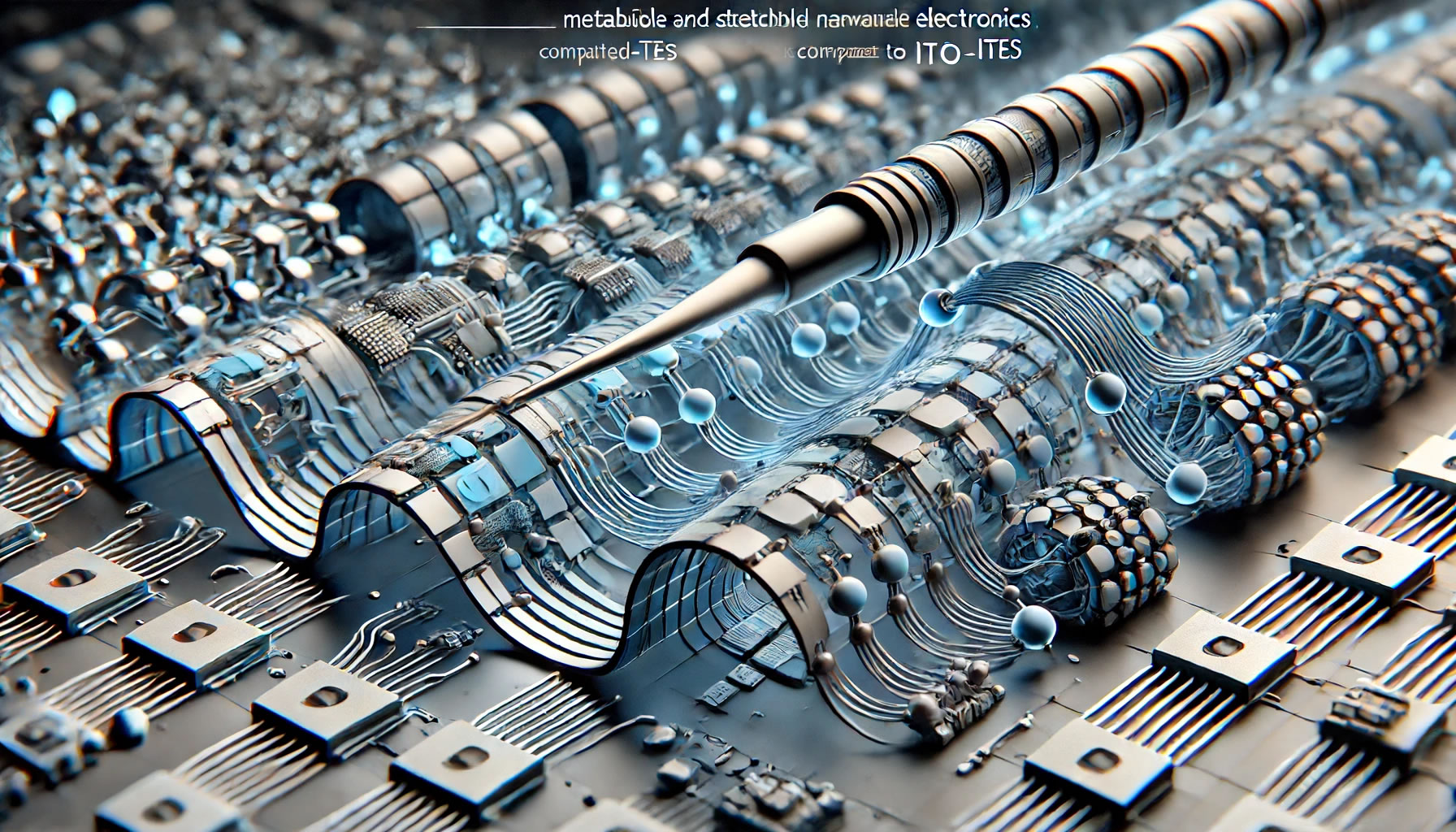
One of the most significant drawbacks of ITO is its brittleness. When subjected to mechanical stress, ITO films tend to crack and lose their conductive properties. This limitation makes ITO unsuitable for flexible and wearable electronics. In contrast, nanostructured silver electrodes are inherently flexible due to their nanoscale structure. The silver nanowires can bend and stretch without breaking, maintaining their conductivity even under significant deformation. This flexibility is crucial for developing next-generation flexible displays, wearable devices, and other applications requiring mechanical durability.
Durability
The mechanical robustness of nanostructured silver electrodes also translates to better durability under repeated bending and stretching cycles. This property ensures a longer lifespan for devices using these electrodes, reducing the need for frequent replacements and maintenance.
Manufacturing Simplicity
Low-Temperature Processing
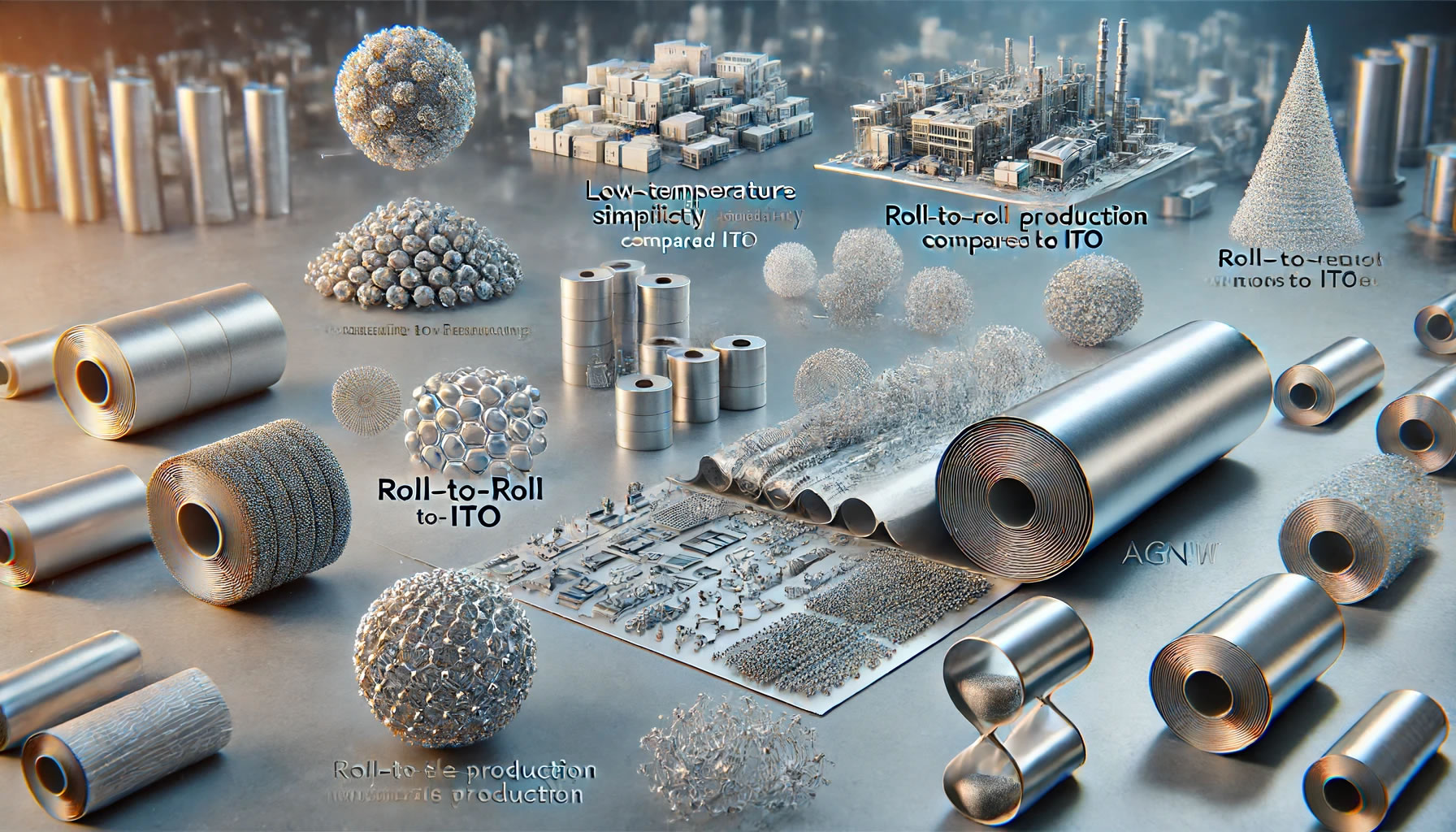
ITO deposition requires high temperatures, which can limit the choice of substrates to those that can withstand such conditions. This constraint excludes many flexible and plastic substrates. Silver nanowire electrodes, however, can be processed at room temperature or with minimal heating. This compatibility with low-temperature processes broadens the range of usable substrates, including flexible plastics, textiles, and even paper, opening up new possibilities for innovative device designs.
Compatibility with Roll-to-Roll Processing
Roll-to-roll processing is a highly efficient manufacturing technique used for producing flexible electronic components. The ability to deposit silver nanowires using roll-to-roll methods makes them an ideal candidate for large-scale, continuous production. This method is not only cost-effective but also supports the creation of large-area flexible electronics, such as flexible solar panels and large-format touchscreens.
Performance Advantages
Enhanced Conductivity and Transparency
Silver nanowires offer superior electrical conductivity compared to ITO, allowing for better performance in applications that require efficient charge transport. Additionally, the optical transparency of silver nanowire networks is comparable to, if not better than, that of ITO. This combination of high conductivity and transparency makes nanostructured silver electrodes highly effective in enhancing the efficiency and performance of optoelectronic devices.
Improved Light Management
The unique structure of silver nanowire networks can enhance light scattering and absorption in photovoltaic applications. This property can lead to higher energy conversion efficiencies in solar cells, making them more effective at harvesting solar energy. Similarly, in display technologies, the improved light management can result in brighter and more energy-efficient screens.
Environmental Impact
Reduced Resource Strain
The use of more abundant materials like silver in place of indium helps reduce the strain on limited natural resources. This shift contributes to more sustainable production practices in the electronics industry.
Lower Energy Consumption
The lower energy requirements for the fabrication and processing of silver nanowire electrodes contribute to a smaller carbon footprint compared to ITO production. This reduction in energy consumption aligns with global efforts to minimize environmental impact and promote greener technologies.

Polyberg has resolved technical challenges, enabling mass production and stable supply of AgNW-TEs for various applications.
With the maturity of coating equipment, ensuring the uniformity and consistency of the coating is no longer a challenge. Advanced technologies and refined processes have been developed to achieve precise and consistent coating results. This progress marks a significant milestone in the manufacturing process, enhancing the overall quality and reliability of the final products.
Currently, Polyberg is focusing on making breakthroughs in improving the stability of silver nanowires. The primary objective is to enhance the stability through encapsulation and other innovative methods. This effort is crucial for expanding the application scenarios of silver nanowires, particularly in demanding environments.
The enhanced stability of silver nanowires is expected to open new opportunities, especially in outdoor and solar cell applications. These sectors require materials that can withstand harsh conditions and maintain performance over extended periods. Polyberg’s advancements in this area aim to meet these stringent requirements, positioning the company at the forefront of technological innovation.
In addition, the patent layout for these innovations has been completed. This strategic move ensures the protection of intellectual property and provides a competitive edge in the market. The comprehensive patent portfolio covers various aspects of the technology, securing Polyberg’s leadership in the industry.
The future of AgNW-TEs is highly promising, driven by ongoing advancements in performance and durability, which will enable their use in more demanding applications such as flexible electronics, wearable devices, and outdoor environments. With improvements in manufacturing scalability and cost reduction, these electrodes will become more commercially viable, fostering broader application in next-generation displays, touch screens, transparent conductive films, and advanced solar cells. Efforts towards environmental sustainability and innovative applications, including smart windows and biomedical devices, will further expand their market potential. Collaborative research and development will play a crucial role in accelerating innovation and commercialization, positioning AgNW-TEs as a key technology in the future of electronics and optoelectronics.
If you are interested in Polyberg’s AgNW-TEs or upstream silver nanowires, or you are looking to invest in this field, please contact us or visit Polyberg Official Website.