
 A well-known synthetic prostaglandin analog, Bimatoprost is an effective drug for treating glaucoma. It is also effective for treat ocular hypertension. It reduces the intraocular pressure by increasing the outflow of aqueous liquid from the eyes. In 2008, the Food and Drug Administration approved bimatoprost to be used for cosmetic purposes, lengthening eyelashes.
Bimatoprost : Uses, Cautions and Pharmacokinetics
- A well-known synthetic prostaglandin analog, Bimatoprost is an effective drug for treating glaucoma. It is also effective for treat ocular hypertension. It reduces the intraocular pressure by increasing the outflow of aqueous liquid from the eyes. In 2008, the Food and Drug Administration approved bimatoprost to be used for cosmetic purposes, lengthening eyelashes.
New Products
 Phenylmethanesulfonyl chloride CAS 1939-99-7Identification […]
 Uracil CAS 66-22-8Uracil,66-22-8,2,4(1H,3H)-Pyrimidinedione,C4H4N2O2[…]
 Tetrabromophenol Blue CAS 4430-25-5Identification […]
 Tezepelumab CAS 1572943-04-4Identification […]
 5-cyano-2-furancarboxylic acid CAS 212197-74-5Identification […]
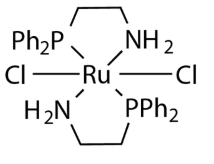 Dichlorobis(2-(diphenylphosphino)ethylamine)ruthenium(II) CAS 506417-41-0Dichlorobis(2-(diphenylphosphino)ethylamine)ruthenium(II),506417-41-0,Dichlorobis[2-(diphenylphosphino)ethylaMine]rutheniuM(II),Min.95%;Dichlorobis(2-(diphenylphosphino)ethylaMine)rutheniuM(II);Dichlorobis[2-(diphenylphosphino)ethylaMine]rutheniuM(II);dichlorobis(2-(diphenylphosphino)ethyla&aMp[…]
 4-Chloro-2-Methyl-benzonitrile CAS 50712-68-0Identification […]
 m7GpppNm CAS UENA-0197Identification […]
 2-Pyridinealdoxime methochloride CAS 51-15-02-Pyridinealdoxime methochloride,51-15-0,,C7H9ClN2O[…]
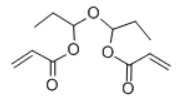 Oxybis(methyl-2,1-ethanediyl) diacrylate CAS 57472-68-1Identification […]
© 2026 WATSON INTERNATIONAL LIMITED. All Rights Reserved. This site and all content are protected by international Copyright laws. Third party logos and marks appearing on this website are trademarks and/or registered trademarks of their respective owners and licensors, and all rights therein and thereto are reserved to such entities.