In the realm of rechargeable batteries, lithium-ion (Li-ion) technology has long been the gold standard, powering everything from smartphones to electric vehicles (EVs). However, the growing demand for energy storage solutions and the inherent limitations of Li-ion batteries, such as raw material scarcity and high costs, have spurred interest in alternative technologies. Among these, sodium-ion (Na-ion) batteries emerge as a promising contender, offering several advantages over their lithium-based counterparts. This article delves into the world of sodium-ion batteries, highlighting their potential as a sustainable alternative.
Understanding Sodium-Ion Batteries
Sodium-ion batteries operate on the same basic principle as lithium-ion batteries, where ions move between the cathode and anode during charging and discharging cycles. However, instead of lithium, sodium-ion batteries use sodium, an element that is more abundant and widely available. This fundamental difference offers several benefits, including lower material costs and a reduced environmental impact.
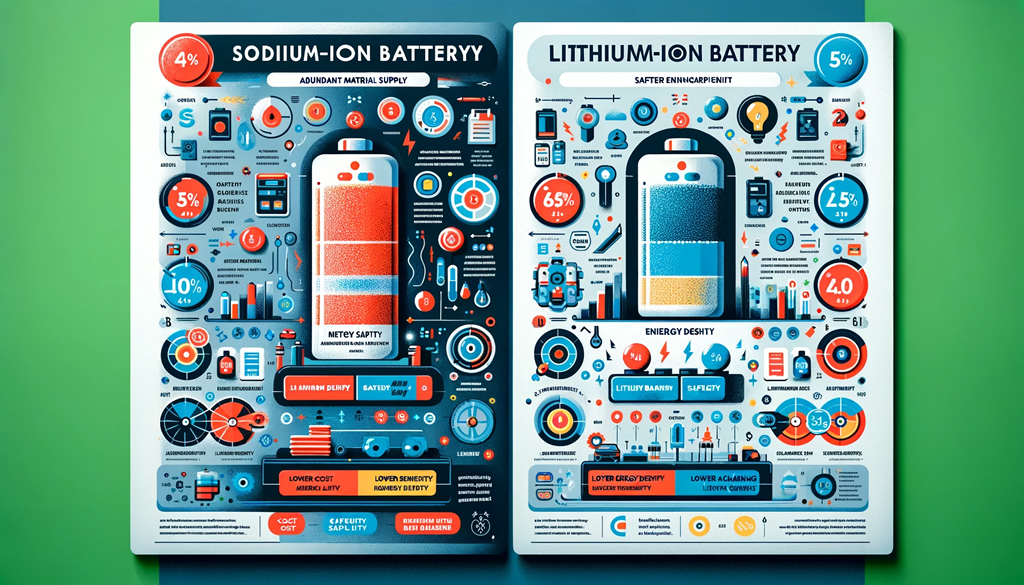
Comparing Sodium-Ion and Lithium-Ion Batteries
- Cost and Availability :
One of the most significant advantages of sodium-ion batteries is the abundance and availability of sodium. Sodium is far more plentiful than lithium, making it a more cost-effective and accessible resource. This could lead to cheaper battery production costs and lessen the geopolitical tensions associated with lithium mining.
- Environmental Impact :
Sodium-ion batteries are considered more environmentally friendly than lithium-ion batteries. The mining processes for lithium can be environmentally damaging, requiring large amounts of water and leading to habitat destruction. In contrast, sodium is available in seawater and can be extracted with less environmental impact.
- Energy Density :
While sodium-ion batteries offer many benefits, they typically have a lower energy density than lithium-ion batteries. This means that, for the same size, a sodium-ion battery would store less energy than a lithium-ion battery. However, ongoing research aims to close this gap, making sodium-ion technology more competitive.
- Charging Speed and Temperature Performance :
Sodium-ion batteries have shown promising results in terms of charging speeds and temperature performance. They can operate effectively in a wider range of temperatures, making them suitable for diverse applications. However, Li-ion batteries still have the edge in charging speed and efficiency in specific conditions.
- Safety and Stability :
Sodium-ion batteries are generally considered safer than lithium-ion batteries. They are less prone to overheating and do not pose the same risk of thermal runaway, a dangerous condition that can lead to fires or explosions in lithium-ion batteries.
The Road Ahead
Despite their potential, sodium-ion batteries are still in the development phase, with several challenges to overcome before they can fully compete with lithium-ion technology. Improving energy density and optimizing manufacturing processes are among the top priorities for researchers. However, the progress in this field is rapid, and sodium-ion batteries are already being considered for various applications, including grid storage and low-cost consumer electronics.
As the world seeks more sustainable and cost-effective energy storage solutions, sodium-ion batteries stand out as a promising alternative to lithium-ion batteries. With their advantages in cost, availability, and environmental impact, they could play a crucial role in the future of energy storage. While challenges remain, the ongoing research and development in this area suggest a bright future for sodium-ion technology, potentially transforming how we power our devices and vehicles.
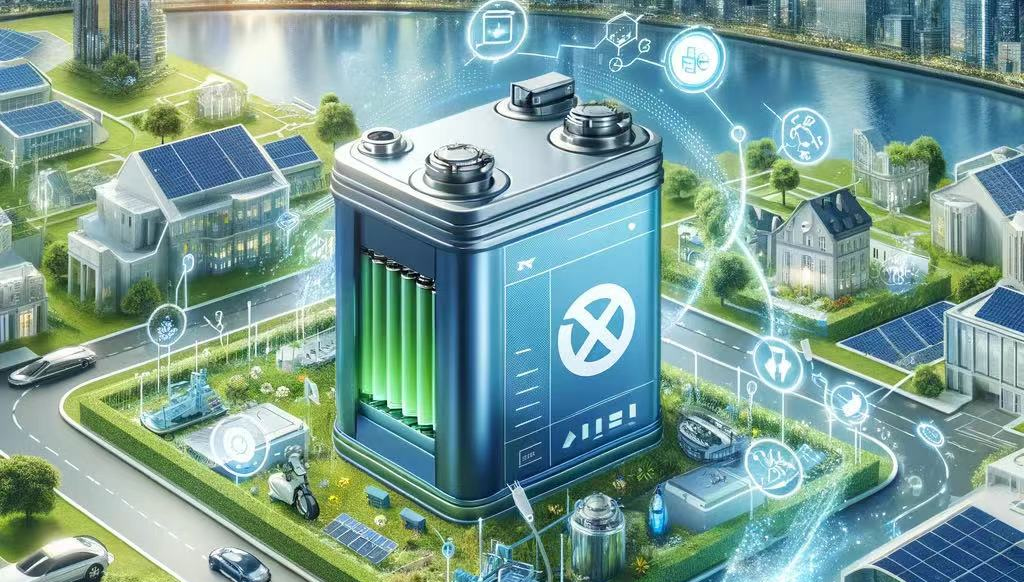
FCAD’s Innovation in Sodium-Ion Technology
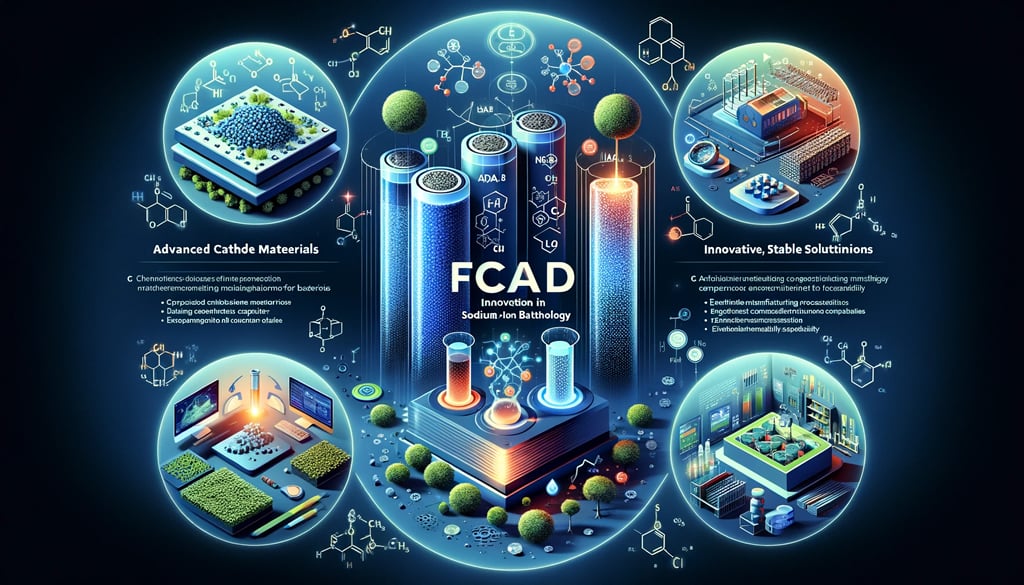
FCAD’s research focuses on overcoming the primary challenges facing sodium-ion batteries, namely energy density, longevity, and material efficiency. By pioneering new materials and chemical formulations, FCAD aims to enhance the performance of Na-ion batteries to levels comparable or even superior to current Li-ion technology. Their work encompasses several key areas :
- FCAD is at the forefront of developing advanced cathode materials that can accommodate the larger sodium ions while maintaining high energy density and stability. These materials are designed to improve the overall efficiency and lifespan of Na-ion batteries, making them more suitable for a wide range of applications, from consumer electronics to electric vehicles.
- Innovative Anode Solutions :
The choice of anode material is crucial for the performance of sodium-ion batteries. FCAD’s research includes exploring carbon-based materials, alloys, and novel compounds that offer high capacity and stability when interacting with sodium ions. These developments aim to reduce the charging time and enhance the durability of Na-ion batteries.
- Electrolyte Optimization :
The electrolyte plays a vital role in the safety and performance of any battery. FCAD’s team is working on optimizing the electrolyte composition for Na-ion batteries, focusing on enhancing ionic conductivity and compatibility with the battery’s other components. This research is key to preventing degradation and extending the battery’s life.
- Sustainable Manufacturing Processes :
Understanding the importance of sustainability, FCAD is also investing in research to make the production of sodium-ion batteries more environmentally friendly. This includes the development of green synthesis methods and the use of abundant, non-toxic materials, reducing the environmental impact associated with battery production.
The Potential Impact of FCAD’s Work
FCAD’s pioneering work in sodium-ion battery materials has the potential to revolutionize the energy storage industry. By making Na-ion batteries more efficient, durable, and cost-effective, they could become the preferred choice for a wide range of applications. This would not only help in reducing the dependency on lithium, a resource that is becoming increasingly scarce and environmentally challenging to mine, but also contribute to the global efforts in transitioning to renewable energy sources.
Furthermore, the advancements in Na-ion technology could lead to significant economic benefits, making energy storage solutions more accessible to developing countries and remote areas. This would have a profound impact on global energy equity, enabling more communities to access clean and reliable power.
While there are still challenges to overcome, FCAD’s commitment to advancing sodium-ion battery technology is a testament to the potential of this alternative energy storage solution. As research continues and these batteries begin to reach commercial viability, we may soon see a shift in how we power our world, thanks to the innovative efforts of organizations like FCAD. The future of energy storage is bright, with sodium-ion batteries poised to play a pivotal role in powering the next generation of devices and vehicles, driving us towards a more sustainable and energy-efficient future.
![Structure of 2,7-Dibromo-9,9-bis[3-(dimethylamino)propyl]fluorene CAS 673474-73-2](https://www.watson-int.com/wp-content/uploads/2021/04/Structure-of-27-Dibromo-99-bis3-dimethylaminopropylfluorene-CAS-673474-73-2.png "Structure of 2,7-Dibromo-9,9-bis[3-(dimethylamino)propyl]fluorene <span class=\"caps\">CAS</span> 673474-73-2")
![Structure of 4-amino-7-iodopyrrolo[2,1-f][1,2,4]triazine CAS 1770840-43-1](https://www.watson-int.com/wp-content/uploads/2020/03/Structure-of-4-amino-7-iodopyrrolo21-f124triazine-CAS-1770840-43-1.png "Structure of 4-amino-7-iodopyrrolo[2,1-f][1,2,4]triazine <span class=\"caps\">CAS</span> 1770840-43-1")